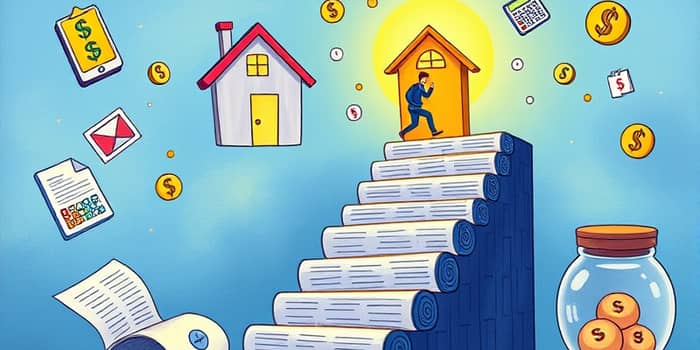
Navigating the mortgage landscape can feel like conquering a mountain without a map. Yet, understanding your borrowing capacity assessment under stress unlocks new opportunities. This guide demystifies the Borrower Power Scale and equips you with strategies to secure lower interest rates and larger loans that align with your goals.
Understanding Borrower Power
At its core, borrowing power is the estimated amount a lender is willing to loan based on an affordability test. Lenders apply a buffer rate above the advertised rate—often 3% to 3.5% in Australia—to stress-test your ability to repay if rates rise. This buffer protects both you and the lender against future rate shocks.
Unlike a credit score, which ranges from 300 to 850 and reflects payment history, borrowing power incorporates income, expenses, existing debts, and even assumed credit card limits. A higher credit score enhances borrowing power, but the broader picture determines your true capacity to borrow.
The Key Factors Lenders Assess
Lenders analyze multiple categories to ensure repayment remains manageable:
- Verified income streams and ongoing stability—including salary, business earnings, and passive income.
- Living expenses and financial commitments—covering utilities, groceries, school fees, and existing loan repayments.
- Deposit size and genuine savings—a larger deposit not only reduces loan-to-value but also signals financial discipline.
- Credit obligations and overall debt level—outstanding mortgages, car loans, student debt, and credit card limits.
Regional policies, such as lender’s assessment rates or buffer requirements, vary. Always inquire about specific lender models and their stress-testing assumptions.
The Role of Credit Scores in the Power Scale
A robust credit score signals reliability, resulting in more competitive rates. A 100-point drop can cost you over half a percent in rate premium, translating to hundreds of dollars extra per month. Lenders tier pricing into categories:
Beyond reduced monthly costs, better rates can boost borrowing power by up to 20%, expanding your home choices and financial flexibility.
Strategies to Maximize Your Borrowing Power
Improvement tactics focus on both sides of the ledger—revenues and obligations:
- Boost genuine savings through automated deposits and trimming non-essential expenses.
- Reduce debts and credit limits—not just balances—to lower assumed obligations.
- Strengthen your credit profile with consistent, on-time payments and minimal new inquiries.
- Consider multiple applicants or extend loan terms to lower monthly repayments.
- Shop lenders for the best buffers by comparing serviceability criteria and assessment rates.
Leverage online calculators to simulate scenarios, then confirm with lenders directly. Your efforts now can unlock thousands saved over decades.
Dispelling Common Myths
Many believe government deposit schemes or fixed rates dramatically alter borrowing power. While helpful for deposit relief, these do not change a lender’s core serviceability model. Both fixed and variable loans face similar buffer tests. Instead, focus on genuine factors you can control.
Another misconception is that deposit size alone seals the deal. A strong credit score or lower living expenses can compensate for a smaller deposit, sometimes even waiving lender’s mortgage insurance requirements.
Tying It All Together
Your Borrower Power Scale is more than a number—it’s a reflection of your financial health, habits, and strategic choices. By understanding how lenders assess income, debts, expenses, and credit history, you can tailor actions that yield immediate and long-term benefits.
Imagine standing at the threshold of your dream home, confident in your power to secure the most favorable loan. With deliberate steps—cutting unnecessary costs, enhancing your credit profile, and selecting the right lender—you transform that vision into reality.
Start today. Track your credit, optimize your savings plan, and explore lender policies. Each incremental improvement brings you closer to a mortgage deal that supports your aspirations and empowers your future.
References
- https://ownhome.com/articles/what-is-my-borrowing-power-and-how-do-i-increase-it
- https://www.bankpeoples.com/learn/your-credit-score-will-impact-your-home-loan
- https://unconditionalfinance.com.au/blog/borrowing-power-myths-first-time-home-buyers/
- https://bettermoneyhabits.bankofamerica.com/en/home-ownership/how-credit-affects-mortgage-rate
- https://www.loqbox.com/en-gb/blog/borrowing-power-vs-credit-scores
- https://themortgagereports.com/87625/mortgage-rates-by-credit-score
- https://www.liberty.com.au/blog/loan-school/understanding-your-borrowing-power
- https://www.fortbraggfcu.org/blog/how-credit-scores-affect-loan-rates
- https://www.totallymoney.com/free-credit-report/borrowing-power-eligibility/
- https://www.fnbank.net/articles/how-your-credit-score-impacts-your-mortgage-application
- https://www.youtube.com/watch?v=mA4fxnGGfWA
- https://columbinefcu.org/unlocking-opportunities-understanding-the-impact-of-credit-scores-on-loan-approvals/
- https://www.zopa.com/blog/article/know-your-borrowing-power-credit-scores-explained
- https://www.experian.com/blogs/ask-experian/why-do-people-with-higher-credit-scores-get-lower-interest-rates/
- https://www.valiantfinance.com/blog/business-loan-how-much-can-i-borrow