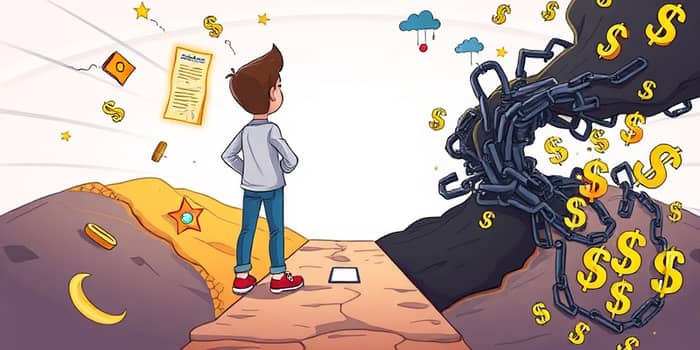
Imagine facing an urgent financial need, only to be lured by a loan that seems too good to be true.
The reality is that predatory loans exploit vulnerable borrowers through deceptive tactics, often targeting those in distress.
Learning to recognize these offers is not just wise; it is essential for protecting your hard-earned assets and peace of mind.
This guide will walk you through the key signs, empowering you to walk away before it's too late.
The Anatomy of a Predatory Loan
Bad loan offers come in many forms, from outright scams to subtly unfair terms.
They typically disregard your ability to repay, setting you up for failure.
Common examples include payday loans with exorbitant rates or hidden fees in mortgage deals.
By understanding their structure, you can better identify risks.
High costs and pressure tactics are hallmarks of these offers, designed to trap unsuspecting consumers.
Key Red Flags: When to Sound the Alarm
Recognizing warning signs early can save you from financial ruin.
Here are critical categories of red flags to watch for, compiled from expert sources.
First, be wary of pressure and rushing tactics.
- Rushing to sign immediately, such as claims of limited-time offers or expiring deals.
- Aggressive marketing through unsolicited calls, texts, or emails.
- Bait-and-switch schemes where advertised low rates are not honored.
Second, scrutinize costs and terms closely.
- Extremely high interest rates, like triple-digit APRs exceeding 300%.
- Hidden or confusing fees that go beyond 3-5% of the loan amount.
- Balloon payments that force refinancing with small initial payouts.
- Loan flipping, where repeated refinancing adds fees without benefit.
Third, note underwriting red flags.
- No credit check appeals that offset risk with high fees.
- Loans exceeding your repayment ability or home value.
- Encouragement to make false statements on applications, risking legal consequences.
Fourth, lack of transparency is a major concern.
- Unclear or vague terms without proper disclosures like APR schedules.
- Too-good-to-be-true promises, such as guaranteed approval or same-day funding.
- Failure to provide documents pre-closing, leading to fee discrepancies.
Fifth, watch for collateral and targeting risks.
- Excessive collateral requirements, such as using your home for a small loan.
- Targeting during emergencies like job loss or medical crises.
- Misleading phrases like "instant cash, no income verification" in marketing.
Specific Loan Types at Risk
Certain loans are more prone to abuse due to their structures.
Being aware of these can help you stay vigilant.
- Payday loans often have APRs over 300%, trapping borrowers in cycles.
- High-cost installment loans with hidden fees that accumulate over time.
- Merchant cash advances targeting small businesses with unfair terms.
- Rent-to-own or Buy-Now-Pay-Later schemes that disguise high costs.
- Balloon mortgages where payments spike unexpectedly at the end.
Each of these can seem convenient but may carry significant financial dangers if not carefully reviewed.
Regulatory and Legal Context
Understanding the legal landscape adds another layer of protection.
Agencies like the CFPB and FTC define predatory practices to help consumers.
This table outlines key regulatory thresholds for identifying bad offers.
These standards serve as benchmarks to verify loan terms effectively and ensure compliance.
Consequences of Accepting a Bad Loan
Ignoring red flags can lead to severe outcomes.
The risks extend beyond financial loss to emotional and legal troubles.
- Default and asset loss, such as forfeiting your home or car for minor debts.
- Jail time for falsified applications, if you're encouraged to lie.
- Debt cycles via loan flipping, where you never escape the principal.
- Damaged credit scores making future borrowing difficult or expensive.
- Stress and anxiety from unmanageable payments affecting mental health.
These consequences highlight why walking away is crucial when offers seem suspicious.
How to Protect Yourself
Empowerment comes from proactive steps and informed decisions.
Here are practical ways to safeguard your finances.
- Compare multiple offers from reputable lenders to gauge fair rates.
- Verify all terms in writing, ensuring no hidden clauses or fees.
- Use checklists like New Jersey's 25+ yes/no questions to assess risks.
- Consult with financial advisors or consumer protection agencies for guidance.
- Trust your instincts; if something feels off, it probably is.
By adopting these habits, you can build financial resilience and avoid pitfalls.
Remember, walking away from a bad offer is not a loss but a victory for your future.
Stay vigilant, seek support, and prioritize transparency in all your financial dealings.
References
- https://www.experian.com/blogs/ask-experian/lender-red-flags-to-look-out-for/
- https://www.crestmontcapital.com/blog/what-makes-a-loan-offer-predatory-key-signs-to-watch-for
- https://pursuitlending.com/resources/dealing-with-predatory-lenders/
- https://finezza.in/blog/red-flags-loan-officers-monitor-in-bank-statements/
- https://www.mainerealtors.com/warning-signs-of-predatory-lending/
- https://www.aba.com/news-research/analysis-guides/fair-lending-red-flags
- https://www.nj.gov/dobi/division_consumers/finance/hoa03warning.htm
- https://www.ncontracts.com/nsight-blog/8-flags-fair-lending-risk
- https://www.inscribe.ai/blog/12-common-red-flags-for-loan-application-fraud
- https://www.fincen.gov/resources/advisories/fincen-advisory-fin-2012-a009
- https://www.bankrate.com/loans/personal-loans/personal-loan-scam-signs/
- https://icbsd.com/application-red-flags-how-to-prevent-financial-fraud/
- https://www.hoyes.com/blog/predatory-lending-how-to-identify-avoid-unfair-loan-practices/
- https://www.rmahq.org/blogs/2025/identifying-troubled-loans-early-five-practical-reads-for-banks/?gmssopc=1
- https://www.myccnb.com/resources/9-ways-to-spot-personal-loan-scams/