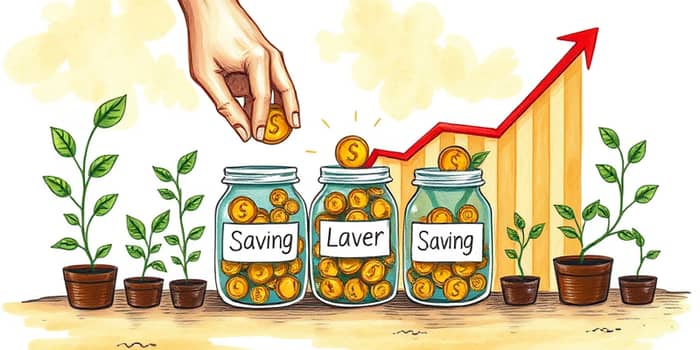
At the heart of this approach lies the concept that every dollar has a job, waiting for assignment to a purpose. This simple mindset shift—from passive spending to intentional allocation—forms the foundation of truly effective personal finance.
By recognizing that small amounts compound over time, you’ll find that modest daily savings and minor spending adjustments can snowball into meaningful wealth over years. Combine this with smart systems, and you’re on the path to lasting financial security.
Shifting to an Intentional Money Mindset
Every journey begins with a single step, and in personal finance that step is awareness. Review your last three months of transactions, categorize outflows, and identify avoidable fees or underused services. This exercise reveals your spending habits and pinpoints areas ripe for improvement.
Move from ad hoc purchases to thoughtful choices by pausing before each transaction. Ask yourself: “Does this align with my goals?” This moment of reflection prevents impulsive spending that chips away at progress.
To separate needs from wants, try the envelope method or digital labels. Tag each transaction. Over weeks, patterns emerge: you might discover that daily coffee runs cost $90 per month. Redirecting even half of that into savings frees up significant capital over time.
Consider the story of a recent college graduate who began redirecting $2 daily from coffee into a savings account. Over five years, this habit contributed over $3,600—an unplanned windfall funded by a simple change in daily ritual.
Balance discipline with enjoyment by budgeting for occasional treats. Allocating funds for fun prevents burnout and makes your plan sustainable over time.
Turning Goals into Financial Milestones
Define what success looks like at different stages. Without clear targets, motivation wanes and direction blurs. Break down objectives into short, medium, and long term, each with measurable checkpoints.
Set milestones like celebrating every $1,000 saved towards a larger objective. These small victories fuel momentum, making the journey feel less daunting.
Use visual trackers like charts or mobile widgets to display progress. Seeing a bar climb toward your $5,000 emergency goal can spark excitement each time it edges higher.
Regularly revisit and adjust your goals as income and priorities evolve. Adaptability ensures your plan stays relevant and aligned with your life stage.
Budgeting Strategies That Work
- 50/30/20 Rule: Allocate 50% to needs, 30% to wants, and 20% to savings and debt repayment.
- Zero-Based Budgeting: Assign every dollar a purpose so income minus outgo equals zero.
- Tiered Budgeting: Set flexible spending ranges for categories, especially useful for irregular incomes.
Whatever framework you choose, consistency is key. Track spending monthly, review categories, and adjust limits based on actual patterns. Use use digital tools to track spending and automate alerts when categories approach thresholds.
Consider creating sinking funds for irregular expenses such as car maintenance or holiday gifts. Allocate a small monthly sum to each fund so these costs never appear as budget surprises.
App recommendations include tools that sync with your bank, categorize spending, and forecast upcoming bills. Some apps gamify your journey, awarding badges or notifications when you hit saving streaks.
Identifying and Plugging Financial Leaks
- Subscriptions and Recurring Charges: Audit monthly services and cancel underused plans.
- Impulse Purchases: Plan grocery trips to avoid convenience-store markups.
- Bank and Bill Fees: Negotiate lower rates or switch providers to eliminate maintenance and overdraft fees.
- Lifestyle Inflation: Limit how much new income flows into spending to maintain progress.
Minor “financial leaks” might seem trivial in isolation, but collectively they can erode thousands of dollars annually. Regular reviews ensure you catch new leaks as they emerge.
Check your insurance policies annually. Bundling home, auto, or life insurance often yields discounts. A simple phone call to your provider can save hundreds each year.
Discount clubs, cash-back apps, and loyalty programs can offset routine costs. However, evaluate if joining a program genuinely reduces spending rather than fueling extra purchases.
Automating Savings for Compound Growth
- pay yourself first principle: Automate transfers to savings immediately after payday.
- Round-Up Tools: Let banks move spare change from purchases into a savings account.
- Sweep Features: Automatically shift excess balances into higher-yield vehicles.
By removing friction, automation guarantees that smart actions occur without daily effort. Over time, these routine deposits leverage the power of compound interest, making your money work harder.
Target at least three to six months of expenses in a liquid emergency fund held in a high-yield savings account. This safety net protects you from unexpected shocks without derailing your long-term plan.
Automatic investing through employer-sponsored retirement plans ensures contributions grow tax-advantaged. Aim for at least enough payroll deduction to secure any company match before contributing elsewhere.
Smart Debt Management
Not all debt is created equal. List every liability—credit cards, student loans, auto loans, mortgages—along with their balances and rates. This complete picture guides your payoff strategy.
Choose between the debt avalanche method, which tackles highest-rate debt first, and the debt snowball method, which prioritizes smallest balances for quick wins. Both approaches work; pick the one that keeps you motivated.
Focus extra payments on high-interest obligations, and avoid whitespace by budgeting for big expenses well in advance. Planning holidays and major purchases prevents reliance on high-cost credit.
Refinancing high-interest loans when rates drop can slash interest expenses. Shop for balance transfer offers with 0% introductory APR on credit card debt, but beware of transfer fees and clear payoff timelines.
During tight months, consider side hustles or freelance gigs targeted at debt reduction. Earning extra for a few weeks can accelerate progress and reduce the stress of high-interest balances.
Staying Adaptable and Evolving
The only constant in life is change. Periodically revisit budgets, adjust for new income levels or expenses, and refine your goals. This adaptability ensures your financial plan remains a living document rather than a rigid set of rules.
Life stages bring new priorities. Starting a family, buying a home, or changing careers all affect your financial map. Reassess goals and budgets at these milestones to stay on track.
Celebrate progress but stay humble. Each milestone is a platform for the next. As your net worth grows, set new benchmarks that challenge you while respecting the discipline that brought you success.
Ultimately, the journey to financial security isn’t about grand gestures; it’s about the consistent application of systems beat willpower in the long run and the steady accumulation of smart decisions. By treating each penny as a valuable resource and aligning your spending with your deepest values, you’ll cultivate real freedom, security, and the ability to pursue your dreams without financial worry.
References
- https://deliberatedirections.com/high-income-budgeting-strategies-build-wealth/
- https://www.regions.com/insights/personal/article/how-to-be-smart-with-money
- https://www.ent.com/education-center/smart-money-management/smart-savings-resolutions-top-5-smart-money-habits-for-the-new-year/
- https://www.bankofamerica.com/onlinebanking/education/how-to-be-smart-with-money.go
- https://www.sierrapacificfcu.org/learn/advice-center/smart-money-moves-2025
- https://ascend.bank/news/5-fundamental-principles-of-money-management-for-beginners/
- https://moneysmart.gov.au/media-centre/news-strategies-to-kickstart-a-financial-reset-in-2025
- https://www.growfinancial.org/general-education/smart-financial-tips-to-strengthen-your-money-management/
- https://www.thepeoples.com/personal/2025-financial-planning
- https://www.fdic.gov/consumer-resource-center/money-smart
- https://www.fidelity.com/learning-center/smart-money/financial-planning-checklist-for-spring
- https://www.morganstanley.com/articles/financial-planning-new-year-financial-resolutions
- https://bettermoneyhabits.bankofamerica.com/en/saving-budgeting/ways-to-save-money
- https://www.ml.com/articles/smart-strategies-for-managing-your-cash.html
- https://www.yourmoneyline.com/blog/2025-financial-plan
- https://www.kiplinger.com/personal-finance/money-moves-smart-people-are-making-before-2026