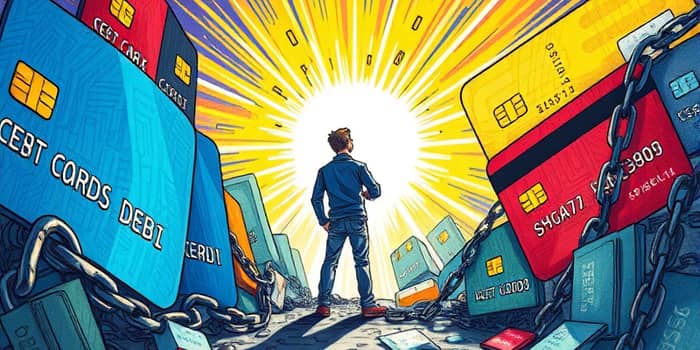
Debt is more than a series of numbers on a monthly statement. It is a complex interplay of emotions, cognitive biases and social influences that can shape our lives in profound ways. When we borrow, we often underestimate the psychological weight that each account adds, creating invisible chains that erode our confidence and cloud our judgment.
In this article, we delve deep into the intense emotional roller coaster that debt can trigger, the mental toll of juggling multiple obligations, and the personality traits that influence our financial choices. By understanding these forces, you can arm yourself with strategies to break free, rebuild your financial health and restore a sense of freedom and purpose.
Emotional Cycles and the Addictive Pull
At its core, debt often begins with a simple desire: to cover an unexpected expense or maintain a certain lifestyle. That initial moment of relief soon gives way to anxiety about repayment. As due dates approach, many experience guilt, shame, or panic—emotions that can paradoxically drive a person back into borrowing.
Each borrowing cycle can feel like riding a wave: relief at first, followed by the crash of worry and doubt. This pattern creates an urgent immediate gratification impulses loop, where momentary comfort overrides long-term well-being. Neuroscientists link this behavior to reward centers in the brain that prioritize immediate pleasure over future security.
Consider Sarah’s story: after losing her job, she racked up credit card balances to cover essentials. The relief of paying rent with borrowed funds quickly turned into dread as interest mounted. Seeking comfort, she made impulsive purchases online, each click offering temporary escape but ultimately fueling deeper regret and further debt.
The Cognitive Toll of Multiple Debts
Managing one debt can be stressful; balancing several can become overwhelming. Every open account requires mental tracking—payment dates, interest rates, minimum amounts—which creates a severe cognitive bandwidth tax. Researchers have found that clearing even a single account can improve cognitive performance by roughly 0.25 standard deviations and reduce anxiety by 11%.
The psychological benefit stems not just from reducing the amount owed but from closing an open mental “tab.” When you eliminate a balance, you unlock precious mental resources, allowing you to focus more clearly on work, relationships and long-term planning.
One practical takeaway is to embrace the motivating smallest-first payoff strategy. By targeting small balances, you generate quick wins that fuel momentum. Each victory builds confidence, making it easier to tackle larger debts and break the cycle of worry that keeps your mind in a state of constant alert.
Personality Traits and Social Pressures
Our individual personalities cast long shadows over our financial lives. Impulsivity stands out as one of the strongest predictors of debt problems—those who act on whims are more prone to borrow beyond their means. Conversely, conscientious individuals who plan ahead and monitor their spending tend to navigate debt more successfully.
Social environments intensify these personal tendencies. Extraverts may feel pressure to spend on social activities to maintain their image, while those high in openness might view debt as a tool for new experiences—vacations, events or unique purchases. Even cultural norms around borrowing shape how acceptable it is to carry certain types of debt, like student loans or mortgages versus revolving credit.
Whether you are influenced by friends, family expectations or online trends, recognizing these external forces can empower you to make conscious choices that align with your values rather than succumbing to perceived norms.
Biases Steering Your Financial Choices
Our brains create mental accounts, compartmentalizing money into categories—groceries, entertainment, debt—and inadvertently underestimating the true cost of borrowing. This tendency, combined with heightened psychological ownership of funds, can drive discretionary spending on wants rather than needs.
Moreover, short-term present-biased decisions make it difficult to choose long-term benefits over immediate gratification. Once you understand these biases, you can implement simple reframing techniques: view loan proceeds as temporary resources to be returned rather than personal cash, or visualize the future relief gained by resisting a purchase today.
The Impact on Relationships and Well-being
Financial stress often bleeds into personal relationships. Money disagreements rank among the top causes of conflict between partners. When debt becomes a secret or source of shame, it erodes trust and can lead to isolation or resentment.
Beyond relationships, chronic debt carries broad health implications. The constant stress of juggling multiple accounts depletes mental energy, intensifies risk aversion and amplifies the effects of the poverty trap, where limited resources narrow focus and hinder decision-making across all areas of life.
Strategies for Breaking Free from Debt
Escaping the debt cycle requires a balanced approach that addresses both emotional and practical dimensions. Financial education lays the foundation, helping you understand interest rates, repayment options and budgeting techniques. Pair this knowledge with mindfulness—pause before making any purchase to assess whether it truly serves your goals.
- Set up automatic payments: Reduce missed deadlines and build repayment consistency.
- Create an empathy-driven plan: Discuss your situation openly with trusted friends or a counselor to gain support and accountability.
- Use goal-oriented rewards: Celebrate milestones, such as every $500 paid off, with small, budgeted treats.
- Frame choices: Offer yourself flexible repayment paths to prevent resistance and maintain motivation.
Reframing Your Mindset for Lasting Change
Ultimately, overcoming debt is as much about identity as it is about numbers. Shift from thinking “I am in debt” to affirming “I am regaining control.” Visualizing yourself as a capable manager of resources reinforces positive behavior and strengthens resolve during challenging moments.
- Define your “why”: Anchor repayment to personal values like security, freedom or the ability to give generously.
- Build a support network: Share goals with friends who encourage accountability and celebrate your successes.
- Practice self-compassion: Recognize setbacks as learning opportunities rather than failures, maintaining forward progress.
Every step you take—whether clearing a small balance, resisting an impulse purchase or having a candid conversation—brings you closer to financial resilience. By understanding the psychological undercurrents of debt and applying these strategies, you can transform stress into growth and reclaim your peace of mind, one account at a time.
References
- https://www.nationaldebtrelief.com/blog/financial-wellness/credit-score/the-psychology-of-debt-understanding-emotional-triggers-debt-addiction-and-financial-health/
- https://pmc.ncbi.nlm.nih.gov/articles/PMC6462060/
- https://www.debt.org/blog/researchers-study-debt-psychology/
- https://www.chartway.com/post/5_surprisingly_fun_psychology_tricks_to_help_you_get_out_of_debt.html?psrc=788
- https://www.tecsg.com/the-psychology-of-debt-recovery-2/
- https://thedecisionlab.com/insights/consumer-insights/behavioral-science-of-paying-debts
- https://www.moneyfit.org/psychology-of-credit-card-debt/
- https://www.gsb.stanford.edu/insights/money-you-borrowed-remember-who-owns-it
- https://gobakergroup.com/psychology-behind-debt-collection/
- https://pmc.ncbi.nlm.nih.gov/articles/PMC7705353/
- https://debthelper.com/psychology-credit-card-debt/