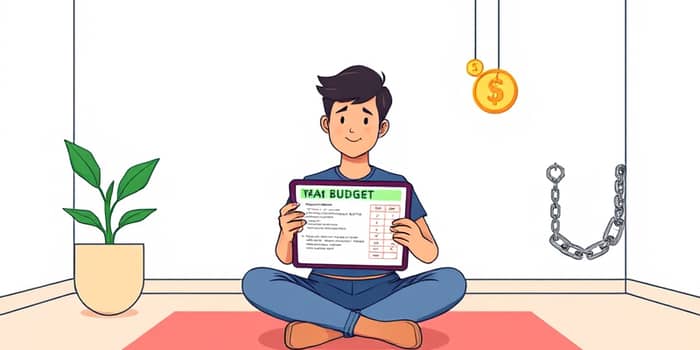
Imagine a life where every financial choice is deliberate, freeing you from the weight of debt and clutter. This is the essence of becoming a minimalist borrower. It’s not about deprivation but about embracing intentional living and smart debt management to craft a richer, more fulfilling existence.
By simplifying your possessions and finances, you can focus on what truly matters—experiences, relationships, and personal growth. This approach encourages you to live within your means while still using debt as a tool for essential goals like home ownership or education.
The journey starts with a mindset shift, where you prioritize valuing experiences over possessions. As you declutter your physical and financial spaces, you’ll find clarity and peace, making it easier to navigate borrowing wisely.
Introduction to Minimalist Living and Finances
Minimalism is more than just owning less; it’s a philosophy of intentionality that extends to every aspect of life, including money. When applied to finances, it involves streamlining accounts, budgets, and obligations to reduce complexity.
This simplicity helps you avoid the pitfalls of impulse spending and high-interest debt. By focusing on needs rather than wants, you can build a solid financial foundation that supports long-term wealth creation.
Think of it as a recalibration of your relationship with money, where every dollar serves a purpose. This clarity empowers you to make borrowing decisions that align with your values, not societal pressures.
Benefits of Minimalism for Borrowers
Adopting a minimalist lifestyle yields numerous financial advantages that directly enhance your borrowing capabilities. To illustrate, here’s a table summarizing the key benefits and their impacts:
Each benefit reinforces a cycle of financial health, making it easier to maintain good credit and manage debt effectively. For example, when you cut impulse spending, you free up funds to pay off debts faster, which in turn improves your credit score and opens doors to better borrowing opportunities.
This holistic approach not only saves money but also reduces stress, allowing you to focus on what brings joy and meaning. By living lean, you create a buffer against financial shocks, ensuring that borrowing becomes a strategic choice rather than a necessity.
Smart Borrowing Strategies in a Minimalist Framework
Once you’ve embraced minimalism, implement these smart borrowing strategies to optimize your finances and achieve your goals.
- Borrow Only Essentials: Finance homes or cars if they align with your values, but avoid credit for trends or fast fashion.
- Debt Reduction Tactics: Use methods like debt avalanche (highest interest first) or snowball (smallest balance first) to pay off debts efficiently.
- Consolidate High-Interest Debt: Consider moving credit card debt to lower-rate personal loans to save on interest.
- Invest in Quality: "Buy for life" by choosing durable items to minimize the need for replacement loans.
- Optimize Credit Usage: Maintain low credit utilization and pay balances monthly to avoid interest and build credit.
Applying the 50/30/20 budget rule can simplify your financial planning. Allocate 50% to needs, 30% to wants, and 20% to savings and debt repayment. This framework ensures you have a clear path to reducing debt while still enjoying life’s pleasures.
By borrowing smartly, you leverage debt as a tool for growth rather than a burden. This strategic approach helps you avoid common pitfalls and build a stable financial future that aligns with your minimalist values.
Practical Habits for Minimalist Borrowers
To sustain this lifestyle, cultivate daily habits that support your financial goals and reinforce minimalist principles.
- Cut unnecessary subscriptions and accounts to reduce fees and simplify your finances.
- Downsize possessions and living space to lower costs and minimize maintenance expenses.
- Build an emergency fund to avoid resorting to high-interest emergency loans in crises.
- Align spending with core values, such as prioritizing travel experiences over material gadgets.
- Streamline finances by using fewer cards and automating payments for consistency.
- Enjoy the environmental bonus of less waste from overbuying, contributing to sustainability.
These habits not only save money and reduce debt but also bring mental clarity and peace of mind. By making small, consistent changes, you can transform your financial landscape without feeling overwhelmed.
For instance, automating payments ensures you never miss a due date, boosting your credit score over time. Similarly, downsizing your home can free up funds for investments, accelerating your journey to financial independence.
Potential Challenges and Counterpoints
Transitioning to minimalism might pose some challenges, but they are manageable with the right mindset and strategies.
- Initial adjustment can feel depriving; start with small, gradual changes like adopting 1-2 habits at a time to build momentum.
- Minimalism aids financial freedom but requires commitment to saving and investing for long-term success; it’s not a quick fix.
- Even with existing debt, you can focus on reduction while incorporating minimalist principles, using methods like debt consolidation.
- Some may struggle with societal pressures to consume; remind yourself of your values and the benefits of a simpler life.
- It’s okay to seek support from communities or financial advisors to stay on track and overcome obstacles.
Remember, it’s not about perfection but progress. Embrace the journey towards financial independence and simplicity, and be patient with yourself as you adapt.
By acknowledging these challenges, you can prepare for them and stay motivated. The rewards—like reduced stress and increased savings—far outweigh the initial discomfort.
Real-World Examples and Outcomes
See how others have successfully applied minimalist borrowing principles to transform their lives and achieve remarkable outcomes.
- Tiny Homes and Van Life: By living in smaller spaces, people drastically reduce housing debt and maintenance costs, freeing up income for travel or investments.
- High-Yield Savings: Using certificates or low-risk options to save for debt payoff and future investments, accelerating financial growth.
- Long-Term Financial Security: Many achieve early retirement or robust savings by accelerating their financial growth through disciplined minimalism.
- Credit Score Improvements: Individuals who adopt minimalist habits often see their credit scores rise, qualifying them for better loan terms.
- Environmental Impact: Reducing consumption leads to less waste, aligning financial health with planetary well-being.
These examples show that living lean can lead to lending smart, creating a sustainable path to wealth. They inspire confidence that anyone can start this journey, regardless of their current financial situation.
For instance, someone who downsizes their home might save thousands annually, which can be redirected to paying off student loans or building an investment portfolio. This snowball effect demonstrates the power of minimalism in action.
Key Takeaways for Aspiring Minimalist Borrowers
To summarize, keep these points in mind as you embark on this transformative journey to financial clarity and freedom.
- Embrace intentionality in all financial decisions, focusing on what truly adds value to your life.
- Prioritize paying off high-interest debt first to save money and reduce financial strain.
- Use debt only for value-aligned essentials, like education or a home, avoiding unnecessary borrowing.
- Regularly review and simplify your financial accounts and obligations to maintain clarity.
- Celebrate small wins, such as cutting an unnecessary expense or paying off a credit card, to stay motivated.
- Invest in experiences over possessions to enrich your life without accumulating debt.
By following these takeaways, you can transform your financial life and enjoy the freedom that comes with it. This approach isn’t just about numbers; it’s about crafting a lifestyle that aligns with your deepest values.
Start today by taking one small step—perhaps decluttering a drawer or reviewing your budget. Over time, these actions will compound, leading to a more prosperous and peaceful financial future.
References
- https://simple.money/the-hidden-benefits-of-minimalist-living-on-your-finances/
- https://www.experian.com/blogs/ask-experian/ways-minimalism-saves-money/
- https://www.rocketmoney.com/learn/personal-finance/financial-minimalism
- https://www.nsbank.com/personal/community/two-cents-blog/2023-10-24-minimalism/
- https://www.members1st.org/blog/articles/minimalist-habits-to-save-money
- https://charteroak.org/financial-management/what-is-financial-minimalism-how-to-simplify-your-money/
- https://www.sofi.com/learn/content/what-is-financial-minimalism/
- https://fwccu.org/blog/minimalist-living-save-money
- https://www.firstflorida.org/about/communications/featured-articles/2021/12/23/6-benefits-of-simplifying-your-life-and-finances
- https://www.frasiermeadows.org/making-the-case-financial-minimalism/