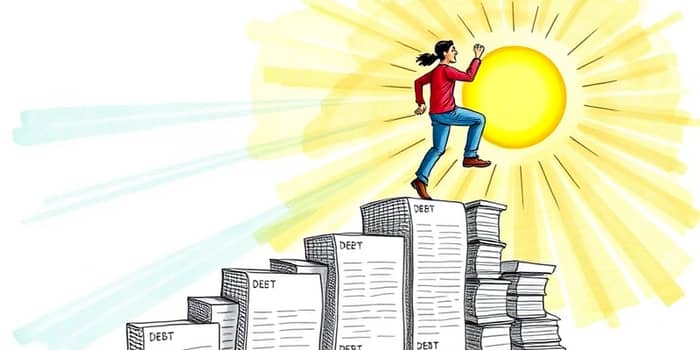
Feeling buried by bills and statements can be overwhelming. Yet, armed with clarity, a solid plan, and persistent action, you can transform anxiety into confidence. This guide walks you through practical, step-by-step actions to move from debt stress to financial strength.
Step 1: Assess and Understand Your Debt
Your journey begins with a clear snapshot of what you owe. Start by itemizing every individual debt—balance, interest rate, minimum payment, and any fees. Seeing each obligation laid out demystifies the totals and sets the stage for focused repayment.
Next, review your credit report. Confirm accuracy, spot any unauthorized charges, and identify debts you might consolidate. Knowledge is power: knowing the full picture gives you a firm foundation for repayment.
Step 2: Create a Budget and Build Safeguards
Crafting a realistic budget is a cornerstone of debt control. Track monthly income and categorize your spending into three buckets:
- Needs (50%): Essentials like housing, utilities, groceries, and debt payments.
- Wants (30%): Dining out, entertainment, discretionary purchases.
- Savings and Emergencies (20%): Building a cushion to prevent new debt.
Within this framework, aim to pay more than the minimum on debts whenever possible—extra contributions of even $20 to $200 monthly can rapidly shorten payoff time.
An emergency fund safeguards against unexpected costs. Build a solid emergency fund in parallel with debt repayment; even a few hundred dollars can keep you from relying on credit cards when life surprises you.
Develop credit-smart habits to avoid future pitfalls:
- Charge only what you can pay off each month.
- Keep utilization below 20% of your limit.
- Always pay on or before the due date.
Step 3: Implement Debt Repayment Strategies
Choosing the right repayment method accelerates progress and sustains motivation. Two popular approaches are the snowball and avalanche strategies. Compare them below to decide which aligns with your goals:
Beyond these, consider negotiating directly with creditors. Request lower rates, hardship plans, or lump-sum settlements. Always get agreements in writing.
Step 4: Explore Consolidation Options
Consolidating debts can simplify payments and lower rates, provided you secure favorable terms. Options include:
Personal loans with fixed interest, home equity loans or lines of credit if you own property, and balance transfers to cards offering 0% APR introductory periods. Ensure fees don’t outweigh savings.
Consolidation benefits:
- Single monthly payment simplifies budgeting.
- Potentially lower interest and fees.
- Clear payoff timeline for motivation.
Step 5: Empowerment Through Communication and Negotiation
Communication transforms borrower-creditor relationships. When hardship strikes, reach out early. Explain circumstances, provide documentation, and ask for hardship programs or reduced payment plans.
Tools like AI-driven budgeting apps can predict payment patterns and propose tailored proposals, making negotiations more effective. Certified credit counselors can also advocate on your behalf, offering structured Debt Management Plans (DMPs) that bundle debts into one monthly payment.
Step 6: Long-Term Prevention and Financial Planning
Once you gain momentum, shift your mindset from mere survival to sustainable wellness. Set clear financial goals: retirement savings, home ownership, or education funds. Use windfalls strategically—apply tax refunds, bonuses, or gifts directly to debts or your emergency fund instead of new spending.
Automate payments to avoid late fees and maintain positive habits. Periodically review your budget and debt balances, celebrating each milestone to keep motivation high.
Conclusion: Your Path to Financial Empowerment
Debt doesn’t have to be a life sentence. By systematically assessing balances, budgeting smartly, choosing effective repayment strategies, negotiating confidently, and planning for the future, you reclaim control. Every dollar paid down is a step toward long-lasting financial freedom.
Begin today: list your debts, draft a budget, and choose a strategy. With determination and the right tools, you will transform from overwhelmed borrower to empowered manager of your financial destiny.
References
- https://dfpi.ca.gov/news/insights/three-steps-to-managing-and-getting-out-of-debt/
- https://www.equifax.com/personal/education/debt-management/articles/-/learn/paying-off-debt-strategies/
- https://getlateral.com/blog/how-to-empower-the-customer-during-the-debt-collection-process
- https://www.navyfederal.org/makingcents/credit-debt/debt-repayment-strategies.html
- https://www.wise-ny.org/blog/from-overwhelmed-to-empowered-how-understanding-your-debt-can-change-your-life/
- https://www.ameriprise.com/financial-goals-priorities/personal-finance/effective-debt-management
- https://hesfintech.com/blog/empowered-borrowers-in-lending-business/
- https://www.amerantbank.com/ofinterest/debt-management-strategies-for-financial-freedom-2025/
- https://blog.umb.com/personal-banking-guide-what-to-know-about-managing-debt/
- https://www.associatedbank.com/education/articles/personal-finance/loans-and-debt/how-to-get-out-of-debt-strategies
- https://www.brytsoftware.com/loan-management-strategies-financial-institutions/
- https://www.cookman.edu/aid/literacy/personal-finance-and-debt-management.html
- https://www.citi.com/ventures/perspectives/opinion/consumer-debt-aggregators.html
- https://personalfinance.duke.edu/student-loans-101/debt-management-strategies/
- https://www.fidelity.com/viewpoints/personal-finance/how-to-pay-off-debt
- https://www.un.org/sustainabledevelopment/blog/2025/06/ffd4-press-release-sg-report-2025/
- https://www.valley.com/personal/insights/managing-your-money/debt-management-101-core-tips-and-tricks-to-pay-down-your-debt