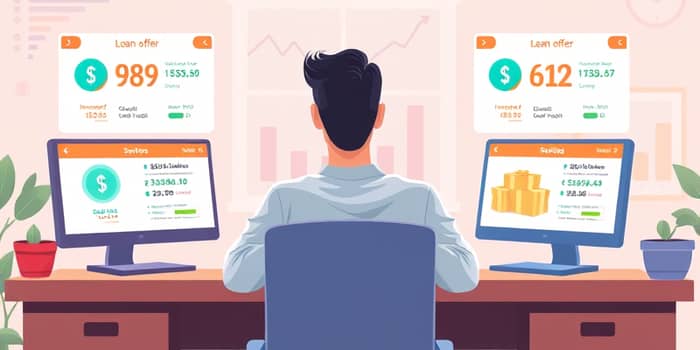
In today's financial landscape, borrowing money is a common step towards achieving personal goals, but it requires careful thought and preparation. Confidence stems from knowledge and preparation, allowing you to navigate the process with ease.
Whether consolidating debt or funding a dream wedding, selecting the right loan can save you thousands and reduce stress. Understanding key terms and processes is essential for making informed decisions.
This guide will walk you through every phase, from initial self-assessment to final approval, ensuring you become a confident borrower. Master the art of loan selection and take control of your financial future.
A confident borrower approaches loans with clarity and purpose, transforming a daunting task into an empowering experience.
Why Confidence Matters in Loan Selection
Confidence in borrowing comes from being well-prepared and informed. It helps you secure better terms and avoid costly mistakes.
A confident borrower can negotiate rates and choose loans that align with their financial health. This proactive mindset leads to long-term stability and peace of mind.
Imagine facing loan options with certainty, knowing exactly what fits your needs. That sense of control is invaluable in today's fast-paced world.
Preparation Phase: Laying the Foundation
Before diving into loan options, start with a solid foundation. Assess your needs and financial situation thoroughly.
Begin by determining the purpose of your loan. Is it for debt consolidation, an emergency, or a specific purchase?
Compare alternatives like credit cards or home equity lines of credit. Personal loans offer flexibility without collateral, making them a popular choice.
Next, check your credit score and history. Lenders often look for a minimum score of 640 for conventional loans.
Check credit report for errors early to avoid surprises. Aim for a FICO score of 670 or higher to unlock the best rates.
Plan this review 30 to 60 days before application. This gives you time to improve your credit if needed.
- Review your credit report annually for accuracy.
- Fix any discrepancies promptly with credit bureaus.
- Consider credit monitoring services for ongoing insights.
Calculate the exact amount you need. Account for fees like origination charges that are deducted from the disbursement.
Estimate affordability using online calculators. Factor in your income, expenses, and debt-to-income ratio.
Use online calculators for affordability to visualize monthly payments. Ensure the loan fits within your budget to avoid strain.
- Input different loan amounts and terms to see variations.
- Include all monthly obligations for a realistic view.
- Set aside a buffer for unexpected expenses.
This preparation phase sets the stage for successful borrowing. It transforms uncertainty into a clear roadmap.
Research and Comparison Phase: Finding the Best Fit
With preparation done, move to researching and comparing lenders. This phase is crucial for finding optimal terms.
Prequalify with three to five lenders. This involves soft credit pulls that don't impact your score.
Prequalify with multiple lenders safely to explore options. You can see potential rates and amounts in minutes online.
Compare key terms side by side to make an informed choice. Look at interest rates, fees, and repayment schedules.
Evaluate each offer carefully. Look beyond the interest rate to understand the full cost.
- Consider the repayment term and how it affects your monthly budget.
- Check for any hidden fees or penalties like prepayment charges.
- Read reviews and lender reputations for reliability and customer service.
This comparison empowers you to choose wisely. It turns complex data into actionable insights.
Application and Approval Phase: Sealing the Deal
Once you've chosen a lender, proceed with the application. Gather all necessary documents beforehand for efficiency.
Standard documents include personal identification, financial records, and loan-specific details. Gather documents beforehand for efficiency to streamline the process.
- Name, date of birth, Social Security number, and photo ID such as a driver's license.
- Proof of income such as pay stubs, tax returns, or bank statements.
- Monthly expense statements including mortgage or rent payments.
- Employment verification with contact details for your employer.
- Desired loan amount, purpose, and preferred repayment date.
Submit the application digitally, which often takes about 10 minutes. Be prepared for a hard credit inquiry after submission.
After submission, stay responsive to underwriting requests. This can speed up the approval process significantly.
Stay responsive to underwriting requests to avoid delays. Provide any additional information promptly.
Review the final offer thoroughly. Ensure it matches the prequalification terms before accepting.
Funds are typically disbursed shortly after signing the agreement. Monitor your account for the deposit and set up automatic payments.
This phase culminates in securing the loan that fits your life. It marks the achievement of your financial goals.
Advanced Tips for Improving Approval Odds
Boost your chances of approval by addressing key factors lenders evaluate. Confidence comes from being proactive.
Focus on maintaining a good credit history with on-time payments and low utilization. Maintain good credit history consistently to impress lenders.
Stable employment and verifiable income are critical. Lenders assess your ability to repay based on these factors.
- Keep your debt-to-income ratio low by managing existing debts responsibly.
- Avoid multiple hard inquiries in a short period, as they can signal financial distress.
- Consider lender types that fit your profile, such as credit unions for competitive rates.
- Explore secured loan options if you have collateral to offer.
Budget rigorously to confirm you can handle the repayment. Use calculators to test different scenarios and plan ahead.
If you have bad credit, look for specialists or alternative lenders. Explore all avenues for the best fit to find suitable options.
These tips enhance your borrowing profile. They turn potential obstacles into opportunities for growth.
Common Pitfalls and Red Flags to Avoid
Even confident borrowers can fall into traps. Stay vigilant to protect your financial health and avoid regrets.
Avoid overborrowing by sticking to the exact amount needed. Use calculators to prevent unnecessary debt and financial strain.
Watch out for scams, such as lenders demanding upfront fees or guaranteeing approval without checks. Avoid scams with thorough research to stay safe.
- Be skeptical of too-good-to-be-true offers that promise unrealistic rates.
- Research lenders thoroughly and check for complaints with consumer agencies.
- Understand the terms fully before committing to any agreement.
- Limit hard inquiries after prequalification to minimize temporary score dips.
For secured loans, ensure you understand the collateral risks. Defaulting can lead to asset loss, so weigh the pros and cons.
By following these steps, you can navigate the loan selection process with confidence and success. Embrace this journey as a step towards financial empowerment.
References
- https://www.rate.com/mortgage/resource/how-to-get-personal-loan-steps
- https://www.experian.com/blogs/ask-experian/personal-loans-what-to-know-before-you-apply/
- https://heritagefcu.com/step-by-step-guide-to-apply-for-a-loan/
- https://lakeregion.com/first-time-home-buyers-guide-the-loan-process-step-by-step/
- https://www.regions.com/insights/personal/article/how-to-apply-for-a-loan
- https://www.todaysbank.com/personal/personal-loan-approval-guide
- https://www.wellsfargo.com/personal-loans/checklist/
- https://pursuitlending.com/resources/loan-process/
- https://www.consumerfinance.gov/owning-a-home/prepare/create-a-loan-application-packet/
- https://www.bankofamerica.com/mortgage/learn/guide-to-the-mortgage-loan-process/