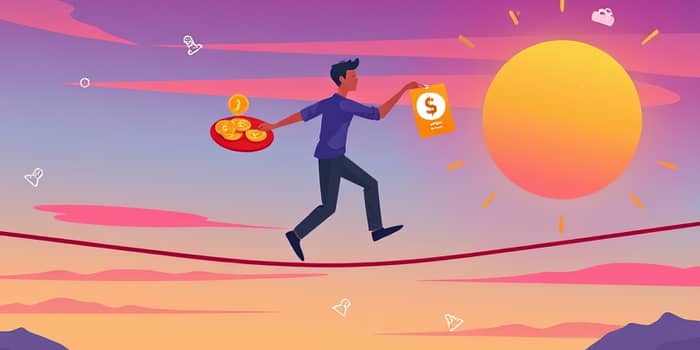
In today's financial landscape, managing debt while safeguarding your credit health can feel like a high-wire act. Every step requires precision and courage, as you balance immediate pressures with long-term dreams.
The journey from burden to freedom begins with understanding that debt is not a life sentence but a challenge to overcome. With the right strategies, you can turn this juggling act into a path toward financial stability.
This article explores practical methods to repay debt without sacrificing your credit score, offering hope and actionable steps for 2026 and beyond.
Understanding Your Debt Landscape
Before diving into repayment, it's crucial to assess the types of debt you carry. High-interest credit cards often demand immediate attention, while installment loans like mortgages may have more flexible terms.
Revolving debt, such as credit cards, can spiral quickly if not managed. Installment debt, like auto loans, offers predictable payments.
Conducting a debt audit helps you identify:
- Outstanding balances and interest rates.
- Minimum monthly payments.
- Due dates to avoid late fees.
This clarity empowers you to prioritize effectively. For many, the psychological weight of debt is as heavy as the financial load. Acknowledging this emotional aspect is the first step toward recovery.
Consider that over 55% of credit card users carry month-to-month balances. This statistic highlights a common struggle, but also a shared opportunity for change.
Choosing Your Repayment Strategy
Selecting a strategy depends on your personality and financial goals. The debt snowball method focuses on paying off the smallest balance first. It builds quick wins and motivation, even if it costs more in interest over time.
Alternatively, the debt avalanche method targets the highest interest rate debt. This approach saves money long-term but requires patience for initial progress.
Other options include:
- Debt consolidation via a personal loan or balance transfer card.
- Debt management plans (DMPs) through nonprofit agencies.
- Budgeting with the 50/30/20 rule for essentials, wants, and debt.
To help visualize, here's a comparison table of key strategies:
Each method has its place in a balanced approach. Choosing what aligns with your mindset can make the process feel less daunting and more achievable.
The Credit Score Connection
Your credit score is a vital part of this balance act, influencing future opportunities. Payment history accounts for 35% of your FICO score, making on-time payments non-negotiable.
Credit utilization, at 30%, should ideally stay below 30%. Paying down debt reduces this ratio, boosting your score over time.
Key factors to monitor include:
- Length of credit history, affected by new accounts.
- Credit mix, enhanced by diverse debt types.
- New credit inquiries, which can cause short-term dips.
During repayment, expect temporary setbacks. For instance, starting a DMP might lower your score initially due to closed accounts. However, consistent on-time payments can lead to gains of up to 80 points or more.
Avoid settlement options that forgive debt but damage credit long-term. Instead, focus on strategies that rebuild trust with lenders. Remember, a high score above 740 unlocks better consolidation terms, making your journey smoother.
Practical Steps for 2026 and Beyond
As we look ahead, implementing smart habits can transform your financial health. Start by auditing your debts and credit reports early in the year to set a clear baseline.
Build a realistic budget that allocates funds wisely. Automate payments to ensure you never miss a due date, protecting your payment history.
Additional tips include:
- Avoid opening new credit lines during active repayment phases.
- Seek nonprofit counseling for free guidance and support.
- Use tools like balance transfer cards with 0% APR offers wisely.
For retirees or those with high debt loads, consider negotiating rates directly with creditors. Restructuring payments can provide relief without derailing your credit. Embrace small psychological wins, like paying off a small balance, to maintain momentum when motivation lags.
This approach fosters resilience, turning challenges into stepping stones. By 2026, these strategies are updated to reflect current economic pressures, ensuring relevance and effectiveness.
Navigating Risks and Building Resilience
Every financial journey involves risks, but awareness mitigates them. Temporary credit score drops from inquiries or account closures are common. Yet, with six on-time payments, recovery is often swift and substantial.
DMPs may close accounts and limit new credit, but they offer structure for payoff. Consistency is key to success in any plan, as lapses can undo progress.
Be mindful of limitations:
- Not all debts qualify, such as secured loans.
- DMPs require discipline over 3-5 years.
- Balance transfers need careful management to avoid post-intro rate hikes.
Weigh these against the long-term benefits of a cleaner credit report. Compared to settlements, DMPs preserve your score better, avoiding lasting damage. In 2026, economic shifts may amplify these risks, so stay informed and adaptable.
Celebrate milestones along the way, as each payment brings you closer to freedom. This balanced act isn't just about numbers; it's about reclaiming control and peace of mind.
Ultimately, juggling debt and credit wisely is a transformative journey. It requires patience, strategy, and a belief in your ability to succeed. Start small, stay committed, and watch as your financial future brightens with every step.
References
- https://www.nerdwallet.com/personal-loans/learn/pay-off-debt
- https://www.experian.com/blogs/ask-experian/can-debt-consolidation-affect-your-credit-score/
- https://www.southeastclientservicesinc.com/blog/effective-debt-management-strategies
- https://www.incharge.org/debt-relief/debt-management/will-a-debt-management-program-ruin-my-credit-score/
- https://www.personalfinance.lawyer/our-blog/2026/january/debt-relief-strategies-to-start-the-year-financi/
- https://www.sharepointcu.com/resources/blog/managing-debt-and-how-it-affects-your-credit-score
- http://www.suzeorman.com/blog/How-to-Tackle-Credit-Card-Debt-in-2026
- https://www.myfico.com/credit-education/blog/debt-management-score
- https://www.consolidatedcredit.org/financial-news/your-2026-debt-reset-the-smartest-ways-to-start-the-year-strong/
- https://www.consumercredit.com/how-bad-is-debt-settlement-for-your-credit/
- https://www.cbsnews.com/news/strategies-for-retirees-to-get-rid-of-debt-in-2026-experts-say/
- https://www.moneymanagement.org/debt-management/faq/will-a-debt-management-plan-hurt-my-credit
- https://octus.com/resources/articles/2026-distressed-outlook/
- https://www.cccsofrochester.org/resources/faq/debt-management-plan/how-does-a-debt-management-program-impact-my-credit-score
- https://www.equifax.com/personal/education/debt-management/articles/-/learn/what-is-debt-consolidation/