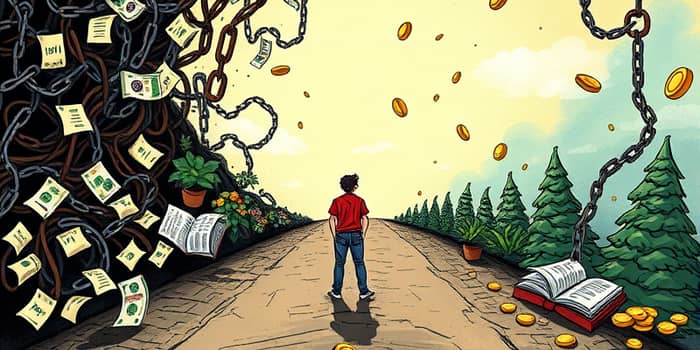
In today’s complex financial landscape, borrowing can be both a great tool and a hidden hazard. When managed responsibly, loans enable major purchases, smooth out cash flow gaps, and build credit histories. Yet for many, small missteps lead to dangerous pitfalls that compromise budgets and erode peace of mind. A clear understanding of common pitfalls is essential to maintain sustainable long-term financial health while leveraging the benefits of credit. This guide unpacks the most prevalent traps, warning signs, and proven strategies for steering clear of costly debt cycles.
Whether you’re considering a short-term payday advance, a mortgage refinance, or a “buy now, pay later” plan, recognizing the mechanics of predatory lending and hidden costs empowers you to make informed decisions. By developing a solid framework for evaluating offers and preparing for emergencies, you can avoid the spiral of unpaid balances, surprise fees, and unforeseen repossessions. Let’s delve into the traps and tactics you need to master.
Understanding Common Debt Traps
The first step in protecting your finances is identifying the practices that lure borrowers into long-term obligations. From sky-high interest rates that inflate small balances to seemingly innocuous installment plans that carry hidden penalties, each trap exploits gaps in consumer awareness. A moment’s hesitation before signing on the dotted line can save thousands in extra payments down the road.
Here are four of the most damaging debt traps you’ll encounter:
By focusing solely on low monthly payments, borrowers often ignore the total cost of financing. This short-term high-interest borrowing can lead to a mountain of interest charges that outpace the original principal. Always calculate the annual percentage rate and multiply it by the loan term to see the true cost before proceeding.
In addition to these headline traps, consumers may be drawn into:
- Buy Now, Pay Later plans that stack overlapping installment agreements
- Mortgage “refi flipping” with hidden insurance add-ons
- Co-signing loans without a formal repayment agreement
- Auto loans with terms longer than the vehicle’s usable lifespan
Scam Red Flags to Watch For
Predatory lenders and fraudulent operators often disguise their schemes with polished marketing and urgent sales pitches. Recognizing these hidden fees and charges and other warning signs allows you to step away before contracts lock you in.
- Unsolicited calls or emails guaranteeing instant approval
- Upfront fees required to unlock loan funds
- High-pressure tactics demanding immediate commitment
- Offers not backed by a verifiable license or registration
- Vague or poorly written contract details
- Promised loan forgiveness in exchange for advance payment
Always verify lender credentials through state regulators and consumer protection agencies. Request written disclosures, compare multiple offers, and never proceed if you feel rushed or confused. A trustworthy lender will answer questions transparently and provide clear, itemized cost breakdowns. If something seems too good to be true, it probably is.
Strategies for Avoidance and Escape
Escaping or avoiding debt traps begins with proactive planning and disciplined habits. Whether you’re debt-free today or rebuilding after financial setbacks, these approaches help you maintain control and reduce reliance on costly credit.
- Pay More Than the Minimum: Even small additional payments accelerate principal reduction.
- Establish an Emergency Fund: Aim to cover at least three months of expenses.
- Shop and Compare Rates: Don’t accept the first offer; leverage prequalification tools.
- Create a Debt Snowball Plan: Tackle smaller balances first to build momentum.
- Communicate with Your Lender: Ask about hardship programs and deferment options.
In situations where high-interest balances threaten your budget, consider a debt consolidation loan or a balance transfer credit card. These tools, used wisely, can streamline payments under a lower rate. Always read the fine print, including balance transfer fees and introductory period limitations. Pair consolidation with a detailed comprehensive repayment plan to prevent drifting back into high-cost credit.
Debt counseling services approved by regulatory bodies can offer free or low-cost support to craft budgets, negotiate with creditors, and educate you on credit management. Avoid for-profit credit repair firms that demand large upfront fees for promises you can achieve on your own for free through the three major credit bureaus.
Charting a Path to Freedom
Escaping the cycle of predatory loans and high-cost credit requires vigilance, knowledge, and adaptability. Regularly review your financial statements, track spending habits, and celebrate progress when you reduce balances. By replacing fear with a clear strategy, you transform borrowing from a potential trap into a responsible tool.
Remember, developing financial resilience takes time. Building a robust emergency savings buffer guards against future shocks, while habitual early payments strengthen your credit profile. As you cultivate these habits, you’ll find yourself empowered to pursue opportunities rather than survive burdens. The key lies in staying informed, seeking credible guidance, and prioritizing sustainable long-term financial health above short-lived relief.
References
- https://www.ebnemo.com/blog/post/5-common-debt-traps-to-avoid
- https://www.banterra.bank/blog/post/3-common-debt-traps-to-avoid
- https://www.middlefieldbank.bank/blog/post/avoiding-common-debt-traps-tips-for-staying-on-track-and-spotting-scams
- https://www.incharge.org/debt-relief/debt-traps/
- https://www.pbtc.net/blog/post/5-debt-traps-that-could-be-costing-you-and-how-to-avoid-them
- https://www.nsbank.com/personal/community/two-cents-blog/2023-11-08-debt-traps/
- https://finred.usalearning.gov/Money/DebtTraps
- https://coascenters.howard.edu/lured-debt-how-payday-loans-and-paycheck-apps-exacerbate-financial-struggles-underserved