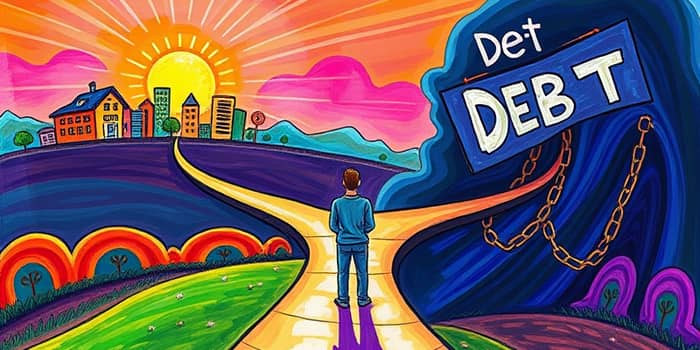
In today's financial landscape, student loans are not just a burden on your wallet; they are a silent credit score killer that can haunt you for years.
This article delves into the long-term consequences, offering hope and actionable steps to navigate this crisis.
With millions facing delinquency and default, understanding this impact is crucial for your financial future.
How Student Loans Interact with Credit Reports and Scores
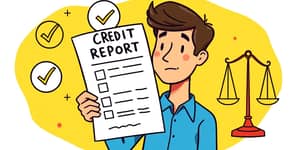
Your credit score is a delicate balance, heavily influenced by your student loan behavior.
On-time payments can build a strong credit history, as payment history makes up 35% of your FICO score.
However, missed payments trigger a cascade of negative effects.
Key factors include:
- Positive aspects: On-time payments enhance credit mix and history.
- Negative aspects: Late payments at 30, 60, and 90 days lead to severe drops.
- Default marks, such as after 270 days for federal loans, stay on reports for seven years.
Grace periods and deferments do not harm credit if managed properly, but negligence can be devastating.
The Devastating Timeline: From Missed Payment to Default
The journey from a single missed payment to default is steep and damaging.
It begins with late fees and escalates to reported delinquencies.
After 90 days, scores plummet, and super-prime borrowers face the largest point drops despite lower risk.
Steps in this timeline include:
- Immediate late fees and credit reporting at 30+ days.
- Delinquency at 90+ days, causing significant score declines.
- Default at 270+ days, leading to wage garnishment and aid ineligibility.
- Permanent derogatory marks that persist for seven years.
This process has intensified post-pandemic, with reporting resumptions spiking in early 2025.
Credit Score Drops by Tier: A Stark Reality
The impact varies by your starting credit score, but no one is immune.
Data from TransUnion reveals alarming average declines across all tiers, highlighting the crisis's breadth.
This table shows that even high-scoring individuals face catastrophic financial setbacks, with drops up to 175 points.
Such declines can derail dreams of homeownership or affordable loans.
Long-Term Ripple Effects on Your Financial Life
Beyond the score, the consequences permeate every aspect of your finances.
Damaged credit leads to higher interest rates and limited access to credit products.
It can also affect non-financial areas, like rentals or insurance approvals.
Key impacts include:
- Difficulty securing mortgages, auto loans, or credit cards.
- Increased risk of predatory lending and denied utilities.
- Wage garnishment and loss of federal aid for education.
- Economic ripple effects, reducing affordable credit in inflationary times.
Recovery requires persistent and timely efforts, but it is achievable with the right strategies.
Historical Context and the Role of Relief Programs
History offers lessons and hope through past relief initiatives.
During the pandemic, forbearance programs temporarily boosted scores by marking loans as current.
For example, previously delinquent borrowers saw average increases of 74 points.
Similarly, the Fresh Start program in 2022 helped defaulters by improving their credit status.
However, current policies face challenges, with millions in SAVE or IDR plans at risk of delinquency.
Future projections warn of a default cliff as collections resume in 2025.
Lessons from these programs highlight the importance of proactive management.
Practical Steps to Protect and Rebuild Your Credit
Despite the crisis, there are ways to safeguard and restore your credit health.
Immediate actions can prevent further damage, while long-term strategies foster recovery.
Start by enrolling in income-driven repayment plans or seeking forbearance if eligible.
To rebuild, focus on:
- Making all payments on time to gradually improve your score.
- Limiting new credit applications to avoid additional inquiries.
- Regularly reviewing credit reports for errors and disputing inaccuracies.
- Considering rehabilitation over consolidation for a cleaner report.
- Diversifying your credit mix to strengthen your profile over time.
Avoid gambling with temporary relief; instead, plan diligently during grace periods.
Expert advice emphasizes that recovery is a marathon, not a sprint, requiring consistent effort.
By taking these steps, you can mitigate the long-term impact and move toward financial stability.
Remember, your credit score is a reflection of your financial journey, and with care, it can be rebuilt.
This analysis aims to empower you with knowledge and tools to navigate the student loan landscape confidently.
Stay informed, act proactively, and seek support when needed to protect your future.
References
- https://www.bankrate.com/loans/student-loans/credit-scores-will-drop-for-more-student-loan-borrowers-data-shows/
- https://www.experian.com/blogs/ask-experian/what-happens-if-you-default-on-student-loans/
- https://cslainstitute.org/credit-score-impacts-from-past-due-student-loans/
- https://www.hescloans.com/blog/do-student-loans-affect-your-credit-score
- https://newsroom.transunion.com/may-2025-student-loan-update/
- https://vantagescore.com/resources/knowledge-center/student-loan-collection-to-affect-millions-of-credit-scores-vantagescore-on-abc-news
- https://www.creditkarma.com/about/commentary/score-drop-the-credit-fallout-for-federal-student-loan-borrowers
- https://www.citizensbank.com/learning/how-student-loans-affect-credit-score.aspx
- https://www.washingtoninformer.com/student-loan-debt-economic-impact/
- https://finaid.uccs.edu/types-of-aid/educational-loans/default15
- https://www.fico.com/blogs/student-loan-delinquencies-lower-average-fico-score-715
- https://nelnet.studentaid.gov/content/creditreporting
- https://libertystreeteconomics.newyorkfed.org/2025/03/credit-score-impacts-from-past-due-student-loan-payments/
- https://studentaid.gov/manage-loans/default
- https://ticas.org/affordability-2/2025-student-debt-survey-blog/