Stepping into the world of finance can feel overwhelming, but understanding your borrowing options is key to achieving long-term goals. This guide will empower you with clear insights on loan types, rate structures, and strategic tips to build a secure financial future.
Understanding Loan Basics
At its core, a loan is an agreement to borrow a sum of money and repay it, typically with interest, over a specified period. Key components include the loan type (secured or unsecured), repayment term, and interest rate structure.
Fixed-rate loans offer stable principal and interest payments each month, shielding you from rate swings. Adjustable-rate loans may start with lower rates but rates adjust with market fluctuations, which can increase payments over time.
Secured loans require collateral—such as a home or vehicle—which often translates to collateral reduces overall interest rates. Unsecured loans carry higher rates to offset risk, but they require no property pledge.
Major Loan Categories
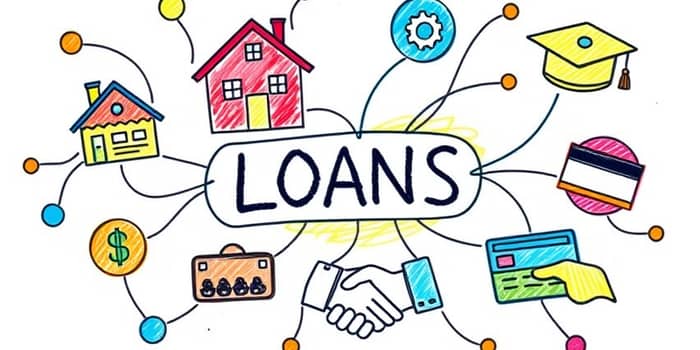
Loans serve diverse purposes, from funding daily needs to major life investments. Below is an overview of six primary categories and their defining features.
Personal Loans (Unsecured, Versatile)
Ideal for debt consolidation, home improvements, or unexpected expenses, personal loans deliver a lump sum repaid over months or years. Terms may be fixed or variable.
- High flexibility and minimal restrictions for various uses.
- Potentially higher interest rates for lower credit scores.
Mortgage/Home Loans (Secured by Property)
Mortgages enable home purchases by using the property as collateral. They range from conventional offerings to specialized government programs.
Auto Loans (Secured/Unsecured)
Whether you finance through a dealer, bank, or credit union, auto loans use the vehicle as collateral. Secured options generally offer lower rates, while unsecured choices resemble personal lines of credit.
Student Loans (Deferred Repayment)
Designed for education costs, these loans may pause payments until after graduation. Subsidized federal loans cover interest while in school, whereas unsubsidized loans accrue interest immediately. Private student loans fill gaps but often carry variable rates.
Credit Cards (Revolving Credit)
Technically a form of personal loan, credit cards let you borrow up to a limit as needed. Payments and interest vary monthly, making them flexible but potentially costly if balances grow.
Other Loan Types
Additional options include home equity loans and HELOCs for borrowing against property value, business loans for entrepreneurial needs, credit builder loans to establish positive payment history, and alternative “payday” substitutes offering small, short-term support.
Current Interest Rate Overview
As of December 2025, the economic environment has kept rates elevated compared to historic lows. Mortgage benchmarks have stabilized near 6.2% for 30-year fixed products, reflecting modest weekly shifts.
Personal loan APRs span a broad 6–36% range:
Excellent credit (720–850) averages 11.81% APR, good credit (690–719) around 14.48%, fair credit (630–689) about 17.93%, and sub-prime applicants (300–629) near 21.65%.
Online lenders quote APRs from 6.49% to 35.99%, banks from 6.74% to 29.00%, and credit unions between 7.89% and 18.00%. These variations underscore the value of tailored rate shopping.
Eligibility Factors and Government Programs
Securing favorable loan terms hinges on meeting specific criteria and tapping specialized assistance when possible.
- Credit score thresholds: 620+ for conventional mortgages, 700+ for jumbo loans.
- Down payment requirements: typically 3–20% of purchase price.
- Debt-to-income ratio: aim for a ratio below 45%.
- Stable income history: consistent employment strengthens applications.
- Special programs: FHA, VA, USDA, and state-backed initiatives.
Practical Borrowing Tips
Preparation can significantly improve approval odds and long-term affordability. Consider these proactive strategies:
- Pre-qualify with multiple lenders to compare offers without a hard credit pull.
- Focus on APR comparison rather than headline rates.
- Consider a co-signer to improve approval chances if credit is fair.
- Lock in fixed rates for long-term certainty when rates are low.
- Aim to reduce balances to improve future borrowing power.
Embarking on a borrowing journey armed with knowledge transforms uncertainty into opportunity. By evaluating loan structures, comparing rates, and leveraging programs designed for your profile, you lay the groundwork for financial resilience. May this guide serve as a compass, guiding you toward choices that build both stability and growth.
References
- https://www.consumerfinance.gov/owning-a-home/explore/understand-the-different-kinds-of-loans-available/
- https://www.nerdwallet.com/personal-loans/learn/average-personal-loan-rates
- https://blog.iqcu.com/deciphering-the-types-of-loans-a-quick-guide
- https://www.credible.com/personal-loan
- https://www.caccu.org/what-are-the-different-kinds-of-loans-you-can-get/
- https://www.bankrate.com/loans/personal-loans/rates/
- https://www.edvisors.com/money-management/debt-management/types-of-loans/
- https://www.wellsfargo.com/mortgage/rates/
- https://gocanalbank.com/comprehensive-guide-to-mortgage-loan-types-choosing-the-right-home-financing-option/
- https://www.freddiemac.com/pmms
- https://auburnsavings.com/understanding-different-types-of-loans/
- https://ncua.gov/analysis/cuso-economic-data/credit-union-bank-rates
- https://www.fdlfcu.com/blog-posts/understanding-loan-types
- https://www.consumerfinance.gov/owning-a-home/explore-rates/
- https://www.premieramerica.com/learn/education/blog/may-2024/all-about-loans-types-requirements-and-how-to-borrow-money-responsibly
- https://www.calhfa.ca.gov/apps/rates/
- https://axelradcapital.com/blog/type-of-loans-in-the-usa-a-comprehensive-guide/
- https://www.navyfederal.org/rates.html