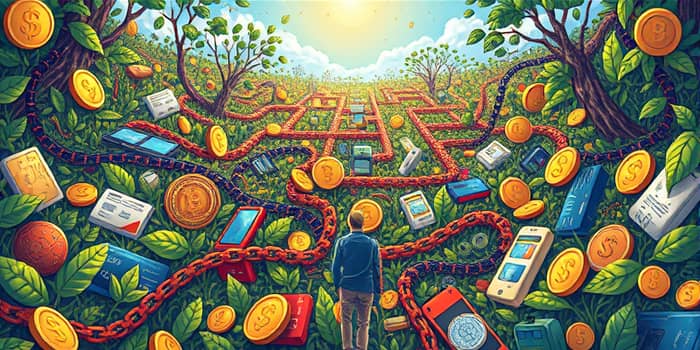
In 2025, the lending industry stands at the intersection of technological breakthroughs, regulatory overhaul, and shifting borrower expectations. From the rise of AI-driven underwriting to the surge in sustainable financing, lenders face a multi-dimensional landscape that demands agility and foresight.
Successfully navigating this environment means balancing innovation with compliance, speed with security, and customer-centricity with risk management. This article unpacks the transformative trends, highlights sector-specific developments, and provides actionable insights to thrive in this complex ecosystem.
Key Trends Shaping Modern Lending
The lending sector is being reshaped by a series of powerful forces. Each trend drives new opportunities—and challenges—for lenders aiming to deliver exceptional borrower experiences while maintaining profitability and compliance.
- Artificial Intelligence & Automation
- Embedded Finance & Seamless Integration
- BNPL & Alternative Payment Models
- Decentralized & P2P Lending
- Personalization & Customer-Centric Solutions
- Mobile-First Lending
- Green & Sustainable Lending
- Regulatory & Compliance Challenges
Artificial Intelligence & Automation
AI is revolutionizing every loan journey, from origination to servicing. Through real-time loan approvals and automated decisioning, lenders can process applications in minutes rather than days.
Key AI applications include:
- Customer acquisition via predictive targeting
- Intelligent document processing
- Fraud detection with machine learning
- Chatbots for 24/7 support
These solutions enhance accuracy, reduce operational costs, and elevate borrower satisfaction by eliminating manual bottlenecks.
Embedded Finance & Seamless Integration
Embedded lending places credit directly within platforms where consumers transact. Whether it’s BNPL options at checkout or instant SME loans on marketplaces, embedded financial services seamlessly integrated into user journeys drive higher conversion rates and new revenue streams.
APIs facilitate real-time data sharing among lenders, credit bureaus, and payment processors, ensuring frictionless experiences and instant credit decisions.
Buy Now, Pay Later (BNPL) & Alternative Payment Models
BNPL continues to gain traction, especially among Gen Z shoppers. With interest-free instalments and flexible payment schedules, consumers can access credit on demand without traditional credit checks.
This model’s expansion into automotive, travel, and green finance sectors underlines its versatility—but rising regulatory scrutiny means lenders must sharpen risk monitoring to prevent over-indebtedness.
Decentralized & Peer-to-Peer Lending
Blockchain and DeFi platforms are democratizing access to credit. Through smart contracts, borrowers and investors transact directly, reducing reliance on legacy intermediaries.
Digital assets serve as collateral, opening new possibilities for underbanked populations and crypto-native borrowers. The result is a more transparent, efficient marketplace for credit.
Personalization & Customer-Centric Solutions
Borrowers now expect lending products tailored to their unique needs. Leveraging advanced analytics and AI-powered insights, lenders can customize rates, tenors, and repayment plans based on behavioral and financial data.
This hyper-personalized approach fosters deeper loyalty, amplifies cross-sell opportunities, and positions lenders as trusted financial partners.
Green & Sustainable Lending
ESG considerations have moved from buzzwords to business imperatives. Offering environmental, social, governance criteria aligned products—such as green mortgages and energy-efficient home improvement loans—appeals to eco-conscious borrowers and supports global climate goals.
By incentivizing sustainable practices, lenders not only mitigate environmental risks but also gain a competitive edge.
Regulatory & Compliance Landscape
Heightened global scrutiny of fair lending, redlining enforcement, and consumer protection drives up compliance costs. Lenders must invest in robust risk management platforms and compliance technology to navigate evolving regulations.
Failing to maintain rigorous oversight can lead to significant fines and reputational damage.
Supporting Data & Market Dynamics
A quantitative perspective underscores the scale of change:
High interest rates, economic recovery in Europe, and rising delinquencies add layers of complexity for lenders to manage.
Sector-Specific Developments
Different lending segments exhibit unique characteristics and growth trajectories.
- Consumer Lending: Shift from credit cards to BNPL and A2A payments.
- Mortgage Lending: End-to-end digital mortgages with AI underwriting and blockchain-secured documents.
- Specialty & Marketplace Lending: Niche products tailored to specific industries.
Challenges & Opportunities
Lenders face an array of hurdles—rising credit risk, cybersecurity threats, and the cost of regulatory compliance. Yet, there are significant avenues for differentiation and growth.
- Leverage AI and automation to streamline workflows.
- Expand embedded finance partnerships across verticals.
- Develop personalized, sustainable loan offerings.
- Invest in mobile-first platforms for broader reach.
By embracing innovation and customer-centricity, lenders can turn these challenges into catalysts for long-term success.
Conclusion: Navigating the Lending Maze
The modern lending landscape is a maze of technological, regulatory, and market complexities. But it also brims with opportunity for those ready to adapt. By harnessing the power of AI, embedding finance into everyday transactions, and prioritizing sustainable, customer-focused solutions, lenders can chart a clear path through uncertainty.
Master the maze, and you’ll position your organization for growth, resilience, and leadership in 2025 and beyond.
References
- https://fintech-market.com/blog/consumer-lending-trends-in-2025
- https://defisolutions.com/answers/digital-lending-trends-to-watch-in-2024/
- https://hesfintech.com/blog/lending-trends-2025/
- https://www.oncourselearning.com/resources/mortgage-industry-2025
- https://www.cognizant.com/us/en/insights/insights-blog/lending-trends-to-watch-in-2025
- https://www.whitecase.com/insight-our-thinking/financial-ma-september-2025-specialty-finance-marketplace-lending
- https://www.bakertilly.com/insights/key-insights-for-the-mortgage-industry-for-2025
- https://www.wolterskluwer.com/en/expert-insights/2025-fair-lending-trends