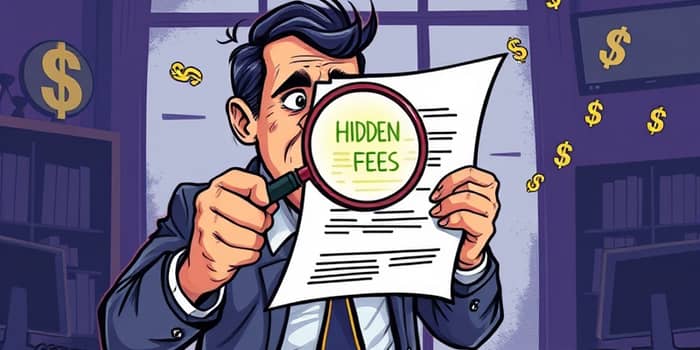
In the shadowy corridors of finance, hidden costs often lurk, preying on unsuspecting borrowers and draining public funds. Whistleblowers emerge as courageous voices that pierce through deception, safeguarding both individuals and taxpayers. The recent Wells Fargo case, with its **$108 million settlement** over VA IRRRL fraud, serves as a powerful reminder of how fraud can thrive in plain sight.
This scandal involved charging veterans hidden, unallowable fees in Interest Rate Reduction Refinancing Loans, directly defrauding the VA and U.S. Treasury. By cleverly bundling fees like attorneys' costs into allowable categories, lenders submitted false certifications to secure taxpayer-backed guarantees. The fallout was catastrophic, leading to widespread defaults and foreclosures that have cost the government **over $2.5 billion** in VA guaranty claims since 2001.
Understanding these mechanisms is vital for anyone concerned about financial integrity. The **False Claims Act** has been a key tool in holding wrongdoers accountable, offering substantial rewards to those who expose fraud. This article will guide you through the details of this case, draw parallels to other loan frauds, and provide actionable advice for potential whistleblowers.
The VA IRRRL Fraud Scandal
The VA IRRRL program was designed to help veterans refinance their home loans at lower rates, with strict fee limits to protect borrowers and taxpayers. However, lenders like Wells Fargo exploited this system by hiding excessive fees, violating core regulations and betraying trust.
Key violations included charging more than the **1% origination fee limit** by inflating other cost lines. Attorneys' fees, which are explicitly prohibited, were often disguised within allowable categories such as title examination. This manipulation allowed lenders to profit unfairly while veterans faced financial ruin.
- Origination fee limit: Capped at 1% of the loan amount, with no separate attorneys' fees permitted.
- Allowable fees: Includes reasonable costs for recording, credit reports, and title insurance.
- Prohibited fees: Attorneys' fees and any bundled unallowable costs into allowable lines.
By submitting false certifications on HUD forms, lenders obtained VA guarantees under false pretenses. This led to **hundreds of thousands of false claims**, with penalties reaching up to $11,000 per violation under the False Claims Act.
Impacts on Veterans and Taxpayers
The human and financial toll of this fraud is staggering. Veterans who trusted the system faced unexpected costs, pushing many into default and foreclosure. Their stories highlight the real-world consequences of corporate greed.
Taxpayers bore the brunt through VA guaranty payouts, with losses exceeding $2.5 billion since 2001. Each fraudulent loan added thousands in expenses, eroding public funds meant for veteran support. The ripple effects included increased government administrative costs and a loss of confidence in financial institutions.
Parallels in Other Loan Frauds
Hidden costs are not limited to veteran loans; they permeate various financial sectors. The COVID-19 PPP loan fraud, for instance, saw similar deceptive practices, with whistleblowers playing a crucial role in exposure.
- Falsifying applications: Inflating payroll or hiding related companies to secure funds.
- Duplicate loans: Obtaining multiple loans for the same business entity.
- Misuse of funds: Spending relief money on non-payroll expenses instead of intended purposes.
In consumer lending, hidden fees take many forms, from fake paper statement charges in banking to worthless add-ons in auto loans. The CFPB has intervened to return millions to affected consumers, but vigilance remains essential.
- Banking: Fees for statements never printed or mailed.
- Auto loans: Unnecessary insurance products sold after payoff.
- Remittances: Undisclosed deductions on international transfers.
Whistleblower Mechanisms and Protections
Exposing hidden costs often relies on robust legal frameworks. The False Claims Act is a cornerstone, allowing whistleblowers to file suits on behalf of the government and receive rewards of 15-30% of recoveries.
Protections against retaliation are critical, ensuring that whistleblowers can come forward without fear of losing their jobs or facing harassment. Other avenues include tips to agencies like the CFPB and reporting tax underpayments to the IRS.
- False Claims Act rewards: Up to 30% recovery if the government intervenes.
- CFPB whistleblower program: Tips can be submitted via whistleblower@cfpb.gov.
- Anti-retaliation laws: Safeguards for employees who report fraud.
Challenges exist, such as tax implications on awards, but recent clarifications from the SEC have helped streamline processes. The rise of data-driven whistleblowing, using AI to detect anomalies, is making fraud exposure more effective, especially in programs like PPP.
Practical Steps for Potential Whistleblowers
If you suspect hidden costs or fraud in loans, taking action can feel daunting. However, with the right approach, you can make a significant impact while protecting yourself. Start by gathering evidence and understanding your rights.
- Document everything: Keep records of suspicious transactions, emails, and communications.
- Consult legal advice: Seek a lawyer experienced in whistleblower cases to guide you.
- Report appropriately: Use official channels like the Department of Justice for FCA cases.
- Know the rewards: Familiarize yourself with potential financial incentives under relevant laws.
- Stay anonymous if possible: Many programs allow for confidential reporting to reduce risks.
Remember, whistleblowing is not just about exposing wrongdoing; it's about **restoring integrity** to financial systems. Your courage can prevent further harm to vulnerable borrowers and save taxpayer dollars. By standing up, you contribute to a culture of accountability and transparency.
In conclusion, hidden costs in loans pose a pervasive threat, but whistleblowers are powerful agents of change. From the VA IRRRL fraud to broader scams, their efforts have led to massive recoveries and systemic reforms. Embrace the tools and protections available, and consider how you might be part of this vital movement. Together, we can uncover deception and build a fairer financial future for all.
References
- https://www.phillipsandcohen.com/wells-fargo-whistleblower-complaint/
- https://ifightforyourrights.com/blog/ppp-loan-fraud-whistleblowers-faqs/
- https://www.consumerfinance.gov/about-us/newsroom/cfpb-exams-return-140-million-to-consumers-hit-by-illegal-junk-fees-in-banking-auto-loans-and-remittances/
- https://hensonefron.com/paycheck-protection-program-fraud-how-whistleblowers-can-combat-fraud-and-obtain-substantial-rewards-using-the-false-claims-act/
- https://businesslawtoday.org/2019/02/whistleblower-tax-problems/
- https://www.becomeawhistleblower.com/financial-fraud/
- https://www.classlawgroup.com/lendingclub-hidden-fees-lawsuit
- https://www.beneschlaw.com/resources/payroll-protection-program-ppp-loan-fraud-a-survey-and-analysis-of-recent-civil-and-criminal-enforcement-outcomes.html
- https://www.taf.org/data-driven-whistleblowers/
- https://natlawreview.com/article/shedding-light-paycheck-protection-program-loan-abuse