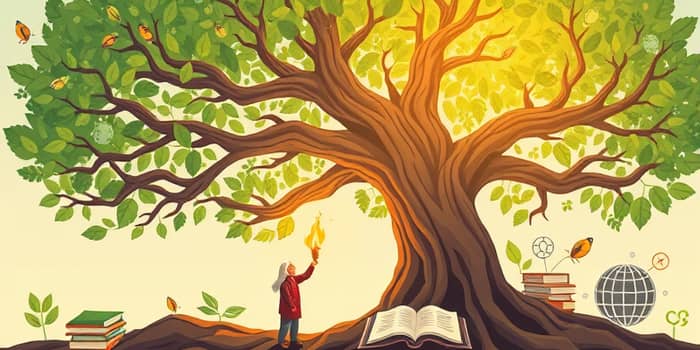
Legacy transcends financial wealth. It is the culmination of values, knowledge, relationships, ethics, and societal contributions that endure long after an individual passes. By focusing on tangible and intangible assets, we create meaning that resonates across time.
What is True Legacy?
Most people think of legacy in terms of estates, bank accounts, or heirlooms. While material wealth plays a role, it is only one dimension of a broader picture.
True legacy includes traditions, cultural heritage, stories, intellectual capital, and the reputation or memory left behind. These intangible elements often outlive physical assets and shape future generations.
Why Legacy Building Matters
Legacy creation offers profound personal fulfillment. Individuals who articulate a clear purpose report a deeper sense of meaning and connection to something greater than themselves.
Intergenerational impact is another powerful outcome. Passed-down wisdom and behavior modeling influence character development, decision-making, and life opportunities for children and grandchildren.
The ripple effect extends into communities. A legacy rooted in service and ethical conduct fosters trust, inspires collaboration, and strengthens social bonds.
Main Components of a Meaningful Legacy
Legacy can be categorized into five core types, each contributing uniquely to the long-term tapestry of influence:
Integrating these elements fosters a multidimensional foundation for enduring impact.
How to Build a Lasting Legacy
Begin by clarifying your core values and purpose. Ask yourself, "What do I want to be remembered for?" This introspection will guide every subsequent decision.
Next, set long-term goals that translate these values into actionable milestones. Goals should be ambitious yet adaptable to changing circumstances.
Consistency is key. Legacy is shaped by daily habits and decisions, not solely by grand gestures. Small, purposeful actions compounded over time yield profound results.
Engage and collaborate with others. Legacy-building is often a collective effort. Mentorship and community involvement amplify reach and ensure knowledge transfer.
Finally, evaluate and adapt. Periodic reflection and feedback loops help maintain relevance and sustain momentum across years and generations.
- Write a legacy vision statement or charter to articulate long-term intentions.
- Codify knowledge in manuals, videos, or policies for future reference.
- Develop leadership pipelines and mentoring systems to secure succession.
- Implement metrics—social ROI, community feedback, philanthropic outcomes—to measure impact.
The Evolving Landscape of Legacy Building
Modern legacy planning increasingly incorporates environmental, social, and governance factors. Stakeholders expect sustainable and ethical practices from businesses and families alike.
Digital heritage is another emerging frontier. Managing digital assets, social media footprints, and online influence requires thoughtful strategies to ensure a positive, long-lasting presence.
Overcoming Challenges and Risks
Balancing short-term gains with long-term vision can be difficult. It demands discipline, patience, and a willingness to prioritize enduring benefit over immediate reward.
Succession complexity poses significant risk. Studies show that up to 70% of family wealth fails to transition beyond the second generation. Robust planning and open communication are essential to mitigate friction.
Ethical dilemmas can jeopardize a legacy. Decisions made today echo in the future, so maintaining integrity and transparency is non-negotiable.
Case Study: A Community Movement
Consider a grassroots environmental initiative launched by a group of neighbors. They started small—planting trees, hosting clean-up events, and sharing knowledge through workshops.
Over a decade, their collaborative effort transformed local urban spaces, educated thousands of residents, and inspired similar projects in adjacent cities. Their collective legacy of positive change now thrives as a movement, illustrating how shared purpose multiplies impact.
Conclusion
Legacy building is a journey of intentional living. It challenges us to look beyond material wealth and focus on the values, wisdom, and relationships that truly define our contribution.
By setting meaningful goals, acting consistently, and engaging others, we craft a story that endures. Each generation inherits not just assets, but the opportunity to carry forward a narrative of purpose and service.
Your legacy is more than money. It is the lasting imprint of your values and actions on the world. Begin today, for the future awaits what you choose to leave behind.
References
- https://kpmg.com/xx/en/our-insights/value-creation/building-a-family-legacy-that-lasts.html
- https://createtherules.com/the-legacy-building-blueprint-creating-impact-that-outlives-your-business/
- https://nataliasokolova.com/legacy-building/
- https://biblehub.com/topical/l/legacy_building.htm
- https://lifestyle.sustainability-directory.com/area/legacy-building/
- https://paxfinancialgroup.com/financial-planning/legacy-building-with-a-purpose-passing-down-wealth-and-values/
- https://www.cmce.org.uk/knowledge-bank/legacy-building-working-today-tomorrow-mind
- https://courses.tiger-resilience.com/blog/building-your-legacy-a-comprehensive-guide