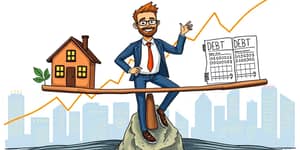
In today's complex financial world, many people feel overwhelmed by borrowing options.
Secured loans, however, stand as a powerful tool for accessing funds with greater ease and lower costs.
By leveraging assets you already own, you can unlock opportunities that might otherwise be out of reach.
This guide will demystify secured loans, showing you how to use them wisely to achieve your financial goals.
What Exactly Are Secured Loans?
A secured loan is a type of borrowing that requires collateral from the borrower.
Collateral is an asset, such as a home, car, or savings account, pledged to the lender.
This asset acts as security, reducing the lender's risk if payments are missed.
Common examples include mortgages for homes and auto loans for vehicles.
Understanding this core concept is the first step to making informed decisions.
The Mechanics: How Do Secured Loans Work?
The process begins with you offering an asset as collateral for the loan.
Lenders assess the value of this asset to determine the loan amount.
They place a lien on it, meaning you cannot sell it until repayment.
If you default, the lender can seize and sell the collateral to recover funds.
This mechanism ensures that both parties share in the risk and reward.
Most secured loans are installment loans with fixed monthly payments.
Terms can range from one year for personal loans to thirty years for mortgages.
The Advantages: Why Secured Loans Can Be Beneficial
Secured loans offer several compelling benefits that make them attractive for many borrowers.
- Provide significantly lower interest rates compared to unsecured options, often saving money over time.
- Allow easier qualification, even with poor credit, by using collateral to offset risk.
- Enable higher loan amounts, borrowing up to the equity value of your asset.
- Offer longer repayment terms, easing monthly payments and improving cash flow.
- Help build credit through consistent, on-time payments that boost your score.
- Provide versatile uses, though some lenders may restrict funds for specific purposes.
For instance, on a $10,000 loan over three years, secured loans can save hundreds in interest.
The Risks: Key Considerations Before Committing
While advantageous, secured loans come with inherent risks that must be carefully weighed.
- Pose a risk of asset loss if you default, leading to repossession of collateral like your car.
- Require suitable collateral ownership, which can limit borrowing if assets are insufficient.
- Involve a longer, more complex approval process due to lien placement and appraisals.
- May have usage restrictions, such as funds only for debt consolidation or home improvements.
- Often include additional fees, like origination costs or membership charges for credit unions.
- Can involve predatory lending practices, with high APRs targeting those with bad credit.
It's essential to assess these dangers to avoid financial pitfalls.
Secured vs. Unsecured Loans: A Detailed Comparison
To choose wisely, compare secured loans with unsecured alternatives.
This table highlights key differences to guide your decision.
This comparison shows why secured loans are ideal for large, long-term financing needs.
Types of Collateral: What You Can Use
The flexibility in collateral options makes secured loans accessible to a wide audience.
- Vehicles: Including cars, motorcycles, boats, RVs, and trailers, often with age limits.
- Home-related assets: Such as home equity or specific fixtures like cabinets, not the entire house.
- Savings and financial accounts: Like savings accounts or certificates of deposit, which can still earn interest.
- Other assets: Depending on the lender, items like valuable possessions or home improvements.
Choosing the right collateral depends on your assets and financial objectives.
Current Landscape: Rates and Top Lenders
As of recent trends, secured personal loan rates vary based on credit, collateral, and lender.
Top options include Digital Federal Credit Union with rates starting at 3.50% for savings-secured loans.
Best Egg offers rates from 5.99% to 29.91% for homeowners using home fixtures as collateral.
OneMain Financial caters to those with bad credit, with rates from 18.00% to 35.99% for vehicle-secured loans.
Upgrade provides rates from 7.74% to 35.99% for older cars as collateral.
Always compare multiple lenders to find the best fit for your situation.
The Application Process: Steps to Secure Your Loan
Applying for a secured loan involves a straightforward yet careful process.
- Prequalify softly to check rates without impacting your credit score.
- Gather necessary documents, such as proof of income and asset ownership.
- Submit your application with details on the collateral and loan purpose.
- Undergo appraisal if required, where the lender assesses the asset's value.
- Receive approval and funding, which can sometimes occur on the same day.
- Ensure you understand all terms before signing to avoid surprises.
Following these steps can streamline your borrowing experience.
Practical Strategies for Wise Use
To maximize benefits, adopt these expert strategies when using secured loans.
- Borrow only what you can afford, based on a thorough assessment of your budget.
- Use for strategic purposes, such as debt consolidation or large purchases that add value.
- Build your credit over time by making all payments punctually and consistently.
- Avoid over-leveraging essential assets, like your primary home or car, unless necessary.
- Compare lenders on eligibility, costs, and customer support to find the best deal.
- Consider credit unions for lower rates and member benefits that enhance value.
These approaches help turn secured loans into tools for financial growth and stability.
Conclusion: Empowering Your Financial Future
Secured loans, when understood and used correctly, can be a transformative financial tool.
They offer pathways to lower costs, easier access, and long-term credit improvement.
By using your assets wisely, you can navigate borrowing with confidence and foresight.
Remember, the key is to balance the advantages with the risks for optimal outcomes.
With this knowledge, you're equipped to make decisions that support a brighter financial journey.
References
- https://hfsfcu.org/education/what-is-a-secured-loan/
- https://www.lendingtree.com/personal/best-lenders-for-secured-loans/
- https://www.bankrate.com/loans/personal-loans/what-is-a-secured-loan/
- https://www.nerdwallet.com/personal-loans/best/secured-personal-loans-lenders
- https://www.ne.bank/secured-vs-unsecured-lending
- https://www.bankrate.com/loans/personal-loans/rates/
- https://abcfinance.co.uk/secured-loans/advantages-and-disadvantages-of-secured-loans/
- https://www.cuwest.org/borrowing/more/savings-secured-loans
- https://www.experian.com/blogs/ask-experian/what-is-a-secured-loan/
- https://www.wellsfargo.com/personal-loans/rates/
- https://www.discover.com/personal-loans/resources/learn-about-personal-loans/secured-and-unsecured-loans/
- https://www.firsttechfed.com/borrow/personal-loans
- https://www.greenvillefcu.com/blog/2025/02/11/what-is-the-difference-between-secured-and-unsecured-debt
- https://www.navyfederal.org/loans-cards/personal-loans.html
- https://www.citi.com/personal-loans/learning-center/basics/secured-vs-unsecured-loan
- https://www.key.com/personal/loans-lines/personal-loans-lines.html
- https://www.bankatfirst.com/personal/borrow/personal-loans/compare.html
- https://www.credible.com/personal-loan