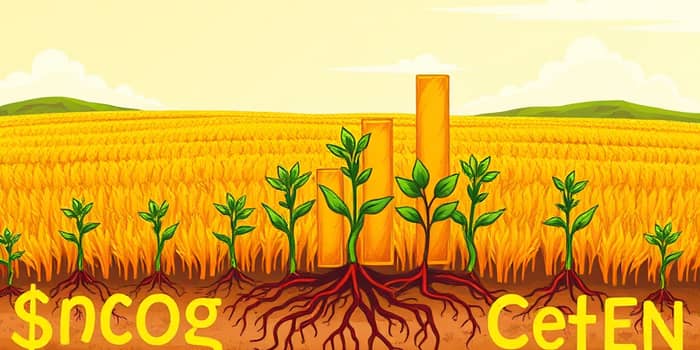
Just as a farmer prepares soil, plants seeds, and tends crops over time, you can cultivate a robust credit profile through careful planning and consistent effort. By treating your financial health like a growing field, you can reap lasting rewards: access to better rates, higher loan limits, and greater financial freedom.
In this guide, we explore the foundational principles of credit, proven strategies for improvement, and an inspiring agricultural parallel that shows how credit access transforms productivity and prosperity.
Understanding Credit Fundamentals
Credit is more than a number—it’s a measure of trust between you and lenders. Payment history is the single most important factor, accounting for 35% of your FICO score. Other factors include credit utilization, length of history, credit mix, and hard inquiries.
Why does credit matter? Simply put, a strong credit profile unlocks low-interest loans, higher credit limits, and favorable terms on everything from mortgages to auto loans. It acts as a key, granting you access to greater opportunities and financial stability.
Key Strategies to Improve Credit Scores
Building credit strength requires both discipline and strategy. Here are eight pillars to help you grow your score methodically:
- Timely Bill Payments: Automate payments or set reminders to ensure you never miss due dates. Even paying the minimum on time beats late payments every time.
- Reduce Credit Card Balances: Aim to keep your credit utilization ratio below 30% of your total limits. Strategies like debt snowball, balance transfers, or consolidation loans can accelerate progress.
- Avoid New Hard Inquiries: Limit applications for new credit cards or loans. Each hard inquiry can temporarily lower your score, so apply only when necessary.
- Maintain Older Credit Accounts: The length of your credit history boosts your score. Keep older, fee-free accounts open and use them occasionally to keep them active.
- Diversify Credit Types: A mix of installment loans, credit cards, and retail accounts shows responsible management of different debt forms.
- Monitor Your Credit Report: Check reports at least once a year. Dispute any errors promptly to protect your score.
- Develop Healthy Financial Habits: Create a monthly budget, track spending, and pay more than the minimum when possible to lower utilization.
- Consider Additional Credit-Building Tools: Secured cards and credit-builder loans offer pathways for those with limited history to establish credit responsibly.
The Agricultural Parallel: Harnessing Credit for Growth
Imagine two farms side by side: one with access to formal credit, the other reliant on personal savings and informal loans. The results are dramatic. Farmers with formal financing produced more than 2.75 times the maize output of those without structured credit.
This parallel illustrates how strategic investment—whether in seeds and fertilizer or timely debt management and credit utilization—drives exponential growth.
This data underscores a simple truth: credit access empowers greater investment in inputs and technology, leading to higher yields—just as responsible credit use enhances your financial productivity.
Implementing Your Credit Cultivation Plan
Now that you understand the fundamentals and strategies, it’s time to put them into action. Follow these steps to sow the seeds of a healthier credit profile:
- Set up automatic payments for all recurring bills to ensure consistent on-time payments every month.
- Review your credit card balances weekly and transfer or pay down high balances to maintain low utilization.
- Pull your credit report from each bureau annually and check for inaccuracies. File disputes immediately if you spot errors.
- Create a simple budget that allocates funds for debt reduction, emergency savings, and regular expenses.
- Use a secured credit card or credit-builder loan if you need to establish or rebuild credit.
Monitoring Progress and Seeking Support
Like tending a growing field, credit cultivation demands ongoing care. Track your score monthly using free tools or credit monitoring services. Adjust your strategy if you see utilization creeping above 30% or if you plan to apply for new financing.
If you encounter setbacks—late payments, unexpected expenses, or errors on your report—don’t hesitate to seek professional guidance. Credit counseling services offer personalized advice, hardship programs, and negotiation support to keep you on course.
Remember, credit improvement rarely happens overnight. With patience, persistence, and the right approach, you can transform a barren financial landscape into a fertile ground for opportunity.
Conclusion
Credit cultivation is an ongoing journey, mirroring the rhythms of agriculture: prepare, plant, nurture, and harvest. By mastering credit fundamentals, implementing targeted strategies, and drawing inspiration from the transformative power of agricultural credit, you can grow a thriving financial future.
Start today—set your plan, monitor your progress, and watch as your efforts bloom into lasting financial strength and freedom.
References
- https://pmc.ncbi.nlm.nih.gov/articles/PMC10559011/
- https://www.aafmaa.com/resource-center/9-strategies-to-improve-your-credit-score
- https://carboncredits.com/carbon-credits-farming-everything-you-need-to-know/
- https://www.peachstate.bank/blog/a-lesson-in-how-to-improve-your-credit-score
- https://www.ujjivansfb.bank.in/banking-blogs/msme-loan/agriculture-loans-for-farmers-features-types-and-examples
- https://www.fswb.bank/about/five-tips-for-improving-your-credit-score
- https://rmi.org/technical-explainer-carbon-credits-for-improved-rice-cultivation/
- https://www.northwest.bank/news-insights/low-or-no-credit-key-strategies-to-boost-your-credit-score/
- https://cropsandsoils.extension.wisc.edu/articles/agricultural-carbon-credits-a-deeper-dive-into-key-concepts-for-farmers-and-landowners/
- https://www.experian.com/blogs/ask-experian/credit-education/improving-credit/improve-credit-score/
- https://edis.ifas.ufl.edu/publication/FE1154
- https://www.usa.gov/credit-score
- https://eos.com/blog/carbon-farming/
- https://www.wellsfargo.com/goals-credit/smarter-credit/improve-credit/good-to-great/