Embarking on a new loan can feel like stepping into uncharted waters. With careful planning, you can transform debt into an opportunity for growth and stability.
Laying the Foundation: Understanding Your Budget
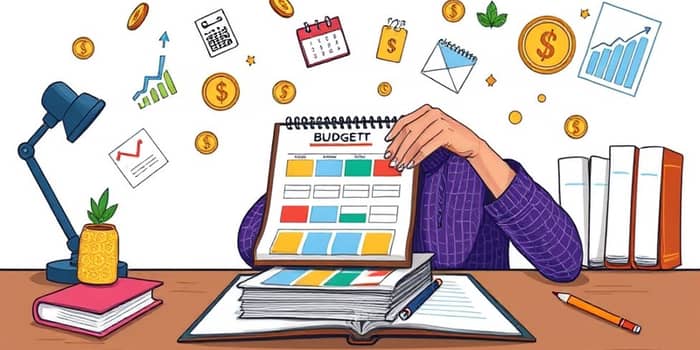
Before you sign any loan agreement, it is crucial to have a diagram of your current finances. By creating a solid budget is essential, you gain insight into how each dollar flows in and out of your account.
Begin by listing all sources of income and fixed expenses such as rent or mortgage payments, utilities, groceries, and insurance. This initial step provides a clear picture of cash flow impact once that monthly loan payment is introduced.
Calculate your debt-to-income ratio by dividing total monthly debt payments by gross monthly income. Many lenders prefer a ratio below 36%, so if yours exceeds this threshold, you may need to adjust before borrowing. This metric helps you maintain healthy borrowing limits and protects against overextension.
- Credit cards
- Student loans
- Medical debt
- Car loans
- Mortgages
- Business loans
- Personal loans
The 50/30/20 rule offers a straightforward framework: allocate half of your income to essentials, live within your means on wants, and reserve at least one-fifth for savings and debt.
Streamlining Expenses to Accommodate Loan Payments
Adjusting your budget to include a new loan payment may require reducing certain discretionary costs. Target areas where you can cut back without sacrificing your quality of life.
- Streaming or subscription services
- Gym memberships
- Leisure travel
- Alcohol
- Food delivery or takeout
Negotiating bills—like cable, internet, or insurance—can uncover hidden savings or promotional rates. Contact your service providers each year to explore discounts and avoid paying full price.
Reviewing subscription fees and annual memberships on a quarterly basis ensures you only pay for services you truly value. Even small changes, such as brewing coffee at home or carpooling for errands, can add up to sizeable monthly savings.
Strategic Payment Methods for Accelerated Debt Repayment
Choosing the right payoff strategy can save you hundreds or even thousands of dollars in interest. The two most popular approaches are the avalanche and the snowball methods.
With the avalanche method, you focus extra payments on high interest debts first. After eliminating the top-rate balance, you redirect payments to the next highest rate, minimizing interest costs over time.
Alternatively, the snowball method encourages quick wins by instructing you to pay off the smallest debt first. This boost in motivation can fuel continued commitment, even if it costs slightly more in interest.
To accelerate your journey, consider making biweekly payments instead of monthly, which effectively adds an extra payment each year. Using online repayment calculators helps you visualize how these adjustments reduce both your timeline and overall interest burden.
Be sure to instruct your lender to apply any extra amount directly to your principal balance—not as an early partial payment. This simple step ensures you maximize the impact of every dollar toward reducing debt.
Leveraging Automatic Systems and Tools
Automation reduces the likelihood of late or missed payments, ensuring your credit score remains strong. Enabling autopay can eliminates need to remember payments while often earning you a small interest rate discount from your lender.
Explore financial apps that synchronize with your banking accounts, provide real-time expense tracking, and send alerts when you approach budget thresholds. Some platforms even generate personalized insights to help you identify new cost-cutting opportunities.
If you prefer a hands-on approach, customize a spreadsheet with columns for each loan’s balance, interest rate, minimum payment, and target payoff date. You can update it monthly and use conditional formatting to highlight progress visually.
Setting Goals and Tracking Progress
Goals give you direction and purpose. Instead of vague aspirations, set review loan contract for prepayment fees clearly defined targets such as paying an extra $200 toward credit card debt each month or shaving six months off your car loan term.
Bill calendars can help you coordinate payment dates with income schedules, preventing timing mismatches that strain your cash flow. If your payroll arrives after your bills are due, consider asking lenders to adjust due dates to better align with when you get paid.
- List all debts with amounts, rates, and minimum payments
- Calculate total income and regular expenses
- Identify opportunities to reduce discretionary costs
- Choose a budgeting tool or spreadsheet
- Establish autopay for each loan
- Determine an avalanche or snowball strategy
- Plan extra payments to principal only
- Adjust due dates to match cash flow
- Track payment dates with a calendar
- Monitor refinancing opportunities
- Create visual reminders to celebrate milestones
By marking each paid-off balance on a chart or calendar, you create momentum and maintain focus. visual reminders keep you motivated and committed to making steady progress, even when faced with unexpected expenses.
Conclusion: Embracing Financial Empowerment
Integrating loan payments into your budget need not be daunting. With intentional planning, disciplined execution, and the aid of modern tools, you can pay down debt more quickly and maintain a healthy financial life.
As you move forward, continue to review and refine your budget. Celebrate every milestone, from the first paid-off loan to the day you become entirely debt-free. You’re not just managing money—you’re building a foundation for a secure, empowered future.
Keep educating yourself on personal finance topics and share strategies with friends or family. By fostering a community of accountability and knowledge, you reinforce positive habits and empower others on their financial journeys. Remember, debt repayment is a marathon, not a sprint, and with perseverance you will cross the finish line stronger and more resilient than ever before.
References
- https://www.bankrate.com/loans/personal-loans/how-to-manage-your-personal-loan/
- https://www.mhvfcu.com/learn/articles/budgeting-for-debt-repayment
- https://www.nerdwallet.com/personal-loans/learn/manage-personal-loan-payments
- https://www.northwestern.edu/financial-wellness/student-loan-management/budgeting-and-borrowing.html
- https://www.moneymanagement.org/budget-guides/create-a-diy-debt-repayment-program
- https://gigglefinanceapply.com/blog-5.html
- https://www.consumerfinance.gov/about-us/blog/budgeting-how-to-create-a-budget-and-stick-with-it/
- https://dfpi.ca.gov/news/insights/three-steps-to-managing-and-getting-out-of-debt/
- https://www.youtube.com/watch?v=To-SOGUh8Wo