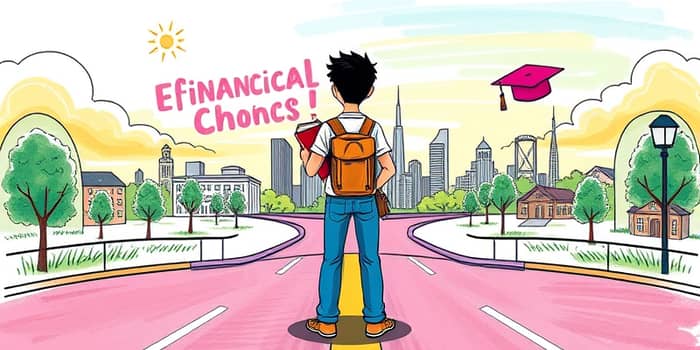
Investing in higher education often involves navigating complex financial decisions. Borrowing can enable you to reach your academic and career goals, but it also shapes your long-term financial health. This guide will help you understand when borrowing makes sense, how much students owe on average, which loan options to consider, and strategies to manage repayments effectively.
Why Borrowing Can Be a Smart Investment
Not all debt is bad debt. When used wisely, student loans can be a life-changing investment in yourself. Over a lifetime, graduates often earn significantly more than non-graduates. This wage premium can outweigh the cost of borrowing, leading to a plan for future financial security.
Timing is crucial. Borrowing makes sense when you are confident that your chosen field offers strong employment prospects. Research starting salaries, industry demand, and career trajectories before taking on loans. In fields with high earning potential, the benefits of borrowing typically justify the expense.
Understanding the Scale of Student Debt
Student loan debt in the U.S. has reached unprecedented levels. As of mid-2025, total debt stands at approximately $1.81 trillion, with federal loans accounting for about $1.67 trillion. Roughly 1 in 6 adults—around 42 million Americans—carry federal student loan debt, and the average balance per borrower is nearly $39,000.
When planning your borrowing, consider these key figures:
Roughly 28–32% of borrowers owe less than $10,000, while about 20–21% have balances between $10,000 and $20,000. A smaller group of 3.6 million borrowers owe over $100,000, shouldering a disproportionate share of the total debt. Since 2007, the average federal balance has more than doubled, rising over 114% to nearly $39,000 by 2025.
Debt levels vary by degree, age, gender, and race. Graduates of for-profit institutions borrow an average of $40,970 for a bachelor's degree, compared to $33,910 at private nonprofit universities. Borrowers aged 50–61 carry the highest average balances, around $46,556, reflecting both later career education and persistent balances. Women hold about 64% of total student debt, and Black graduates face higher average balances and slower repayment rates than other groups.
Federal vs Private Loans: Weighing Your Options
- Direct Subsidized Loans: Need-based for undergraduates, with interest covered by the government during school and deferment periods. Annual limits range from $3,500 to $5,500.
- Direct Unsubsidized Loans: Available to undergraduates and graduates regardless of need. Interest accrues immediately and capitalizes if unpaid.
- Direct PLUS Loans: Credit-checked loans for parents and graduate students, with higher interest rates and origination fees. Used to bridge funding gaps.
- Private Student Loans: Offered by banks and credit unions. Terms vary widely; these loans typically lack federal protections and offer fewer repayment options.
Repayment Strategies to Alleviate Stress
Understanding your repayment obligations before loans enter repayment can reduce anxiety. Federal loans generally come with a six-month grace period after leaving school. Once payments begin, the average monthly obligation ranges from $200 to $299, with recent graduates paying around $336 per month.
Income-driven repayment (IDR) plans, such as Revised Pay As You Earn (REPAYE) and Income-Based Repayment (IBR), cap payments based on discretionary income and can extend repayment up to 20–25 years. After that time, any remaining balance may be forgiven, though forgiveness can carry tax implications.
Watch out for delinquency and default. As of mid-2025, about 11.3% of federal loan dollars were delinquent, and nearly 9.4% of total debt was 90 days or more past due. Missing payments can damage credit, increase costs through fees, and risk wage garnishment.
Borrowers often make tough choices to stay current. Over 40% report skipping basic needs or reducing healthcare spending to cover loan payments. About 20% have deferred rent or mortgage payments, and over 11% missed at least one payment in the year to date. Proactively choosing a suitable repayment plan or seeking deferment or forbearance can avert these hardships.
Borrowing Wisely: Tips for a Sustainable Approach
- apply for scholarships early: Seek merit and need-based awards before relying on loans.
- build a detailed budget plan: Track expenses and set borrowing limits aligned with income prospects.
- minimize your total borrowing: Only borrow what you need to cover essential costs.
- reduce interest through timely payments: Pay accrued interest during school if possible to lower capitalized interest.
- consider cheaper education paths: Explore community colleges or regional public universities for the first two years.
- choose income-driven repayment options: Match your plan to your income for manageable payments.
- avoid unnecessary interest accumulation: Refinance when rates drop, but weigh federal protections first.
Borrowing for education can open doors to better opportunities, but it requires thoughtful planning at every stage. By understanding the scope of student debt, comparing federal and private options, adopting strategic borrowing and proactive repayment strategies, and choosing the right repayment plan, you empower yourself to pursue higher education without compromising financial well-being. Remember, every dollar you borrow is an investment that shapes your future—plan wisely to maximize returns and minimize risk.
References
- https://www.bestcolleges.com/research/average-student-loan-debt/
- https://ticas.org/affordability-2/2025-student-debt-survey-blog/
- https://educationdata.org/average-student-loan-debt
- https://www.newyorkfed.org/newsevents/news/research/2025/20251105
- https://educationdata.org/student-loan-debt-statistics
- https://www.congress.gov/crs-product/IF13113
- https://www.federalreserve.gov/publications/2025-economic-well-being-of-us-households-in-2024-higher-education-and-student-loans.htm
- https://newsroom.transunion.com/june-2025-student-loan-update/
- https://www.congress.gov/crs-product/IF10158
- https://fsapartners.ed.gov/knowledge-center/library/electronic-announcements/2025-07-23/nonpayment-rates-institution-default-prevention-resource-nslds-delinquent-borrower-report
- https://www.winssolutions.org/us-student-loan-statistics-2025/
- https://research.collegeboard.org/trends/student-aid/highlights