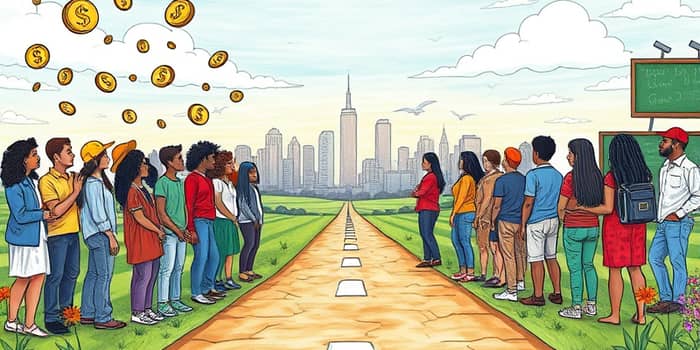
Loans are more than statistics on a balance sheet; they shape dreams, influence choices, and define futures. From student debt weighing on graduates to auto loans driving daily commutes, the spectrum of borrowing touches every corner of our lives. Understanding their true impact means looking beyond raw figures into the stories they tell.
In this article, we explore how loans transform individual lives, reshape economies, and inspire solutions for a healthier financial world.
The Weight of Student Loan Debt on Individuals
Student borrowing has ballooned to staggering levels, with national obligations surpassing $1.83 trillion in 2025 Q3. Yet behind these colossal sums lie millions of personal journeys—graduates working multiple jobs, postponing home purchases, or delaying family plans simply to manage monthly payments.
For many, the burden of student debt is more than a financial line item; it is a constant presence shaping career and lifestyle choices. Consider the average balance of $88,260: that sum can dictate fields of study, deter risk-taking entrepreneurial ventures, and delay major life milestones.
Delinquency rates further illustrate the human toll. Nearly 10.0% of federal loan dollars are delinquent, signifying borrowers slipping behind and facing mounting stress. Amid these challenges, forgiveness programs such as Public Service Loan Forgiveness (PSLF) and Teacher Loan Forgiveness offer rays of hope. Together, they have eliminated over $47 billion in debt for thousands of professionals dedicated to public service and education.
The Broader Ripple Effects on Society
When individuals struggle under debt, society at large feels the impact. Consumer spending—an engine of economic growth—shrinks as more income diverts toward loan repayments. Families delay home purchases, forcing the housing market into unpredictable cycles and affecting community development.
Moreover, lending standards respond to these pressures. Banks anticipate tighter borrowing conditions for certain loans and improved quality for others, balancing risk in uncertain economic waters. As credit card balances climb toward $1.18 trillion by 2026, households may find it harder to access affordable credit for emergencies or growth opportunities.
This table highlights how targeted interventions can alleviate individual stress while supporting essential public services. Yet, these programs represent a fraction of total debt, underscoring the need for broader strategies.
Strategies for Navigating Your Loan Journey
Feeling overwhelmed by numbers? You are not alone. Adopting a clear roadmap can transform anxiety into action. Below are practical steps to regain control:
- Review all loans: federal, private, and credit card balances. Knowledge is power.
- Explore consolidation or refinancing: lock in lower rates to reduce monthly payments.
- Apply for income-driven repayment plans: align payments with your earnings.
- Investigate forgiveness and assistance programs: see if public service or profession-based options apply.
Beyond formal programs, consider these personal habits:
- Create a detailed budget: allocate funds to high-interest debt first.
- Build an emergency fund: avoid relying on credit cards when unplanned expenses arise.
- Seek professional advice: a certified financial counselor can tailor solutions to your situation.
Each small step contributes to long-term financial resilience and peace of mind. Remember, progress often happens gradually; celebrate every milestone, whether it’s paying off a single loan or reducing your interest rate.
The Future Outlook: Banking Trends and Their Implications
Looking ahead, banks expect lending standards to remain stable across most categories in 2026. Auto loans may ease slightly, while construction loans could face modest tightening. These adjustments reflect broader economic shifts, from anticipated changes in interest rates to evolving consumer spending needs.
Commercial and industrial lending demand is projected to strengthen, offering opportunities for business expansion. Yet, credit quality concerns linger, especially in consumer segments like credit cards and nonprime auto loans. An expected rise in delinquencies underscores the importance of responsible borrowing.
Meanwhile, the bank loan market itself offers attractive yields—over 7.70% gross yield to maturity in early 2026—drawing investors seeking reliable returns. However, risks such as potential recessions, tariff pressures, and slowing labor markets remain on the horizon, reminding borrowers and lenders alike to balance optimism with caution.
Inspiring Hope and Action
Debt can feel like an insurmountable mountain. Yet, history shows that thoughtful policies, personal determination, and supportive networks can tilt the balance toward financial empowerment. Whether you’re just starting your borrowing journey or navigating repayment challenges, remember that you are not defined by a number on a loan statement.
By understanding the broader context—how federal policies, economic trends, and community resources intersect—you gain crucial perspective. Armed with knowledge and practical strategies, you can transform the loan experience from a source of stress into an opportunity for growth.
Let this exploration of numbers and narratives inspire you to take control of your financial story. With each informed decision, you contribute not only to your own well-being but also to a stronger, more resilient economy for everyone.
References
- https://educationdata.org/student-loan-debt-statistics
- https://www.federalreserve.gov/data/sloos/sloos-202601.htm
- https://newsroom.transunion.com/2026-consumer-credit-forecast/
- https://www.equifax.com/business/blog/-/insight/article/january-2026-consumer-pulse-the-latest-consumer-credit-trends/
- https://www.newyorkfed.org/newsevents/news/research/2026/20260210
- https://www.jpmorgan.com/insights/podcast-hub/market-matters/vida-credit-financing-outlook
- https://www2.optimalblue.com/blog/2026-mortgage-trends-jobs-data-fed-under-fire-key-insights-from-optimal-insights-jan-12