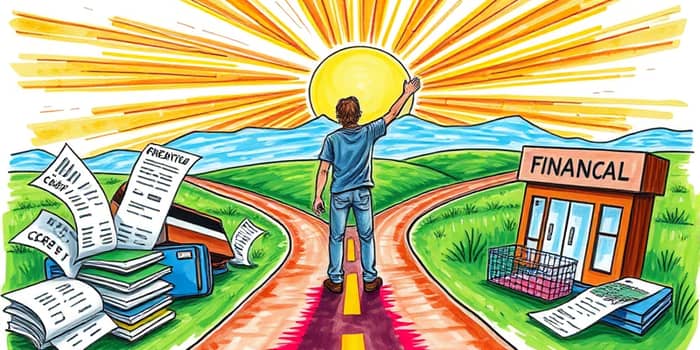
Credit has long been both a powerful tool and a hidden peril. As consumer debt soars, individuals must adopt proactive strategies to protect their financial well-being. This article explores the scale of credit traps, reveals the psychological toll, and offers actionable paths toward lasting stability.
The Growing Burden of Consumer Debt
In early 2025, American credit card balances exceeded $1.2 trillion, up from $1.17 trillion just months earlier. With the average household carrying nearly $8,000 in credit card debt, the stakes have never been higher. Against a backdrop of interest rates averaging over 20%, many borrowers face fees and APRs that can exceed 29.99%.
record high credit card debt highlights the urgency of understanding where these balances originate and how they accumulate. From daily essentials funded by plastic to lifestyle purchases on BNPL platforms, the avenues to overspend can be deceptively broad.
Understanding Credit Traps
Credit traps deploy subtle mechanics to keep balances growing and consumers struggling. Familiarity with these dynamics is the first step in outsmarting them.
- minimum payments locking you into debt: Paying only the minimum extends repayment by years and doubles or triples total interest paid.
- Buy Now, Pay Later pitfalls: These plans may feel convenient but often mask high fees and encourage impulse purchases that strain budgets.
- subscription creep draining monthly budgets: Unchecked subscriptions can cost $2,600 per year on average, quietly eroding disposable income.
Failing to manage these factors can trigger a cycle of borrowing: using one form of credit to pay off another, further inflating outstanding balances.
The Psychological Toll of Debt
Beyond the numbers lies a human cost. Mounting balances and persistent late fees generate anxiety, harm relationships, and undermine confidence. Studies link high-interest debt directly to increased stress levels and depressive symptoms.
When 24% of Americans believe only a lottery win or inheritance can free them from debt, it signals a deep sense of helplessness. Financial stress is not just about money—it can deteriorate mental health, hamper work performance, and erode social connections.
mounting high-interest debt stress can create a feeling of entrapment so severe that individuals avoid checking statements or making calls to creditors, exacerbating the situation.
Strategies for Proactive Management
Taking control requires disciplined planning and informed decisions. The following tactics help build a foundation of stability:
- Implement a robust budgeting and savings plan: Adopt the 50/30/20 rule—allocate 50% to needs, 30% to wants, and 20% to savings and debt repayment.
- Pay balances in full each month to eliminate interest charges on credit cards.
- Use credit exclusively for genuine emergencies, avoiding routine expenses like groceries or rent.
- Audit subscriptions quarterly and cut services you no longer use to reclaim lost funds.
By adhering to these principles, borrowers can sever the compounding interest cycle and redirect funds toward savings or long-term investments.
Evaluating Debt Relief Options
For those already burdened by unmanageable payments, professional solutions offer structured routes to relief. Choose options that align with your credit profile and long-term goals.
Each path carries trade-offs. Consolidation can simplify payments, but eligibility requires decent credit. Counseling offers support and education but mandates closing certain accounts. Settlement may reduce balances significantly yet may harm credit scores temporarily.
Policy and Systemic Solutions
While individual action is paramount, broader reforms can curb predatory practices and protect vulnerable populations. Public opinion strongly favors:
- Capping credit card interest rates to prevent usurious APRs.
- Prosecuting predatory lenders engaging in unfair fees or deceptive marketing.
- Banning excessive junk fees that inflate borrowing costs.
- Providing direct relief or targeted assistance for financially strained households.
These measures, backed by a bipartisan 4-to-1 margin, reflect an urgent demand for systemic change. Enhanced regulation and consumer safeguards can reduce the prevalence of credit traps and foster a more stable financial ecosystem.
Conclusion: Empowerment Through Education and Action
Escaping the snare of high-interest debt and BNPL pitfalls demands both knowledge and discipline. By recognizing the mechanisms of these traps, understanding the human cost, and enacting structured budgeting and debt-relief strategies, individuals can reclaim control over their finances.
cutting unused subscriptions each month and prioritizing full-balance payments can yield immediate relief. Combining personal measures with advocacy for sensible policy reforms ensures that future generations enjoy greater financial freedom and resilience.
Ultimately, a proactive approach anchored in education, prudent credit use, and community support can transform anxiety into confidence, turning the tide against credit traps and securing a brighter financial future for all.
References
- https://www.ccfcu.org/how-credit-cards-can-become-a-debt-trap/
- https://www.cbsnews.com/news/credit-card-debt-relief-strategies-to-consider-for-2025/
- https://www.mvemnt.com/10-financial-traps-to-avoid-in-2025/
- https://protectborrowers.org/dfp-groundwork-protectborrowers_debt-poll_sept-2025/
- https://www.weforum.org/stories/2025/06/buy-now-pay-later-financial-education-debt/